
Archive | Book Matters

Past Perfect ‘Seasons’

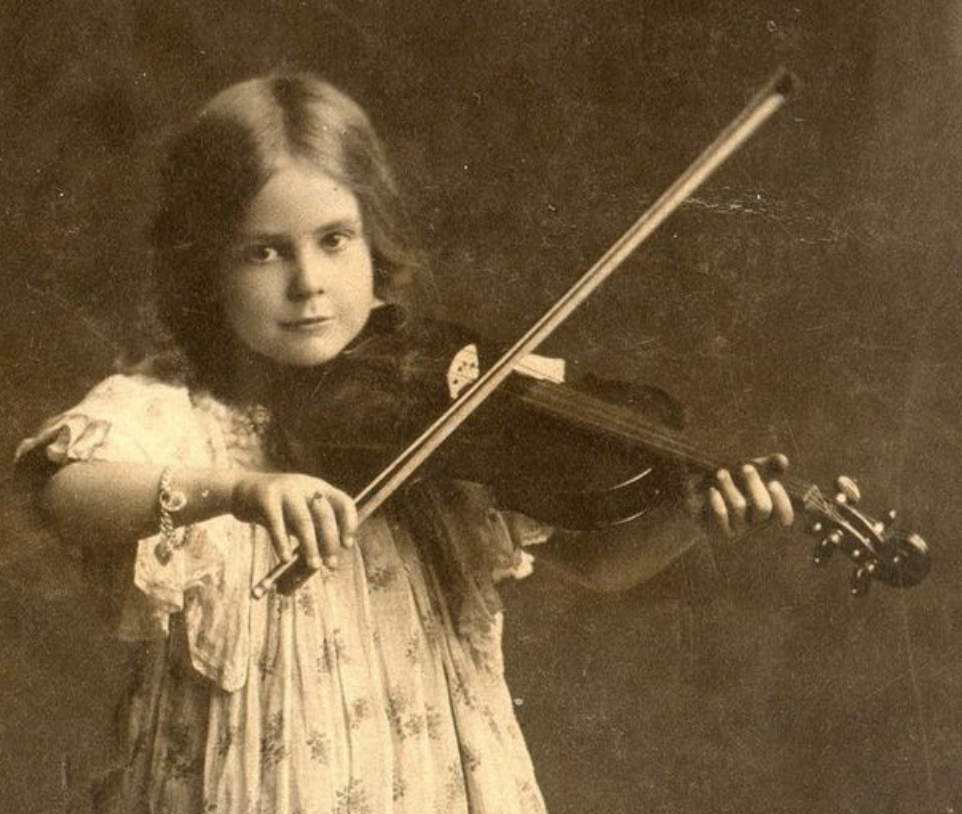
Once when I was 12, I saved up my babysitting money and bought a ticket to hear Vivaldi’s “The Four Seasons” performed on George’s Island, a waterfront historical park located right off the coast of Boston.

I’d always been in love with that group of concerti, and my love had been as private as it had been absolute. My father was a resolute R&B worshipper and my mother bopped along to whatever he put on the turntable, slipping on Broadway musicals like “Gigi” when he wasn’t around. But I’d been a violinist since I was six; the Suzuki Method was huge in that era and both my factory-worker grandfathers had played ardently if unprofessionally. Playing classical instruments isn’t so common anymore but back then ordinary people of all classes and backgrounds did it all the time. I’ve been thinking about this, about how we used to make our own art and culture, didn’t just consume it like fast food.

By the time I realized I preferred the richer registers of the viola, my parents had already bought a grownup-sized violin–I was a tall kid–and my compromise was to practice just enough to justify their purchase. I played second violin in orchestra, and used my sight-reading skills more joyfully in chamber choir, where I sang first tenor. The result was a passion for the rigors of classical music that I rarely revealed at home or in my working-class neighborhood. Even now I rarely discuss this prediliction, though, left to my own devices, I listen to those busybody Baroque composers nearly as often as I listen to Aretha. Bach, Vivaldi, Dvořák; Telemann, too. Continue Reading →
The Cinematic Melancholy of St. Joan Didion

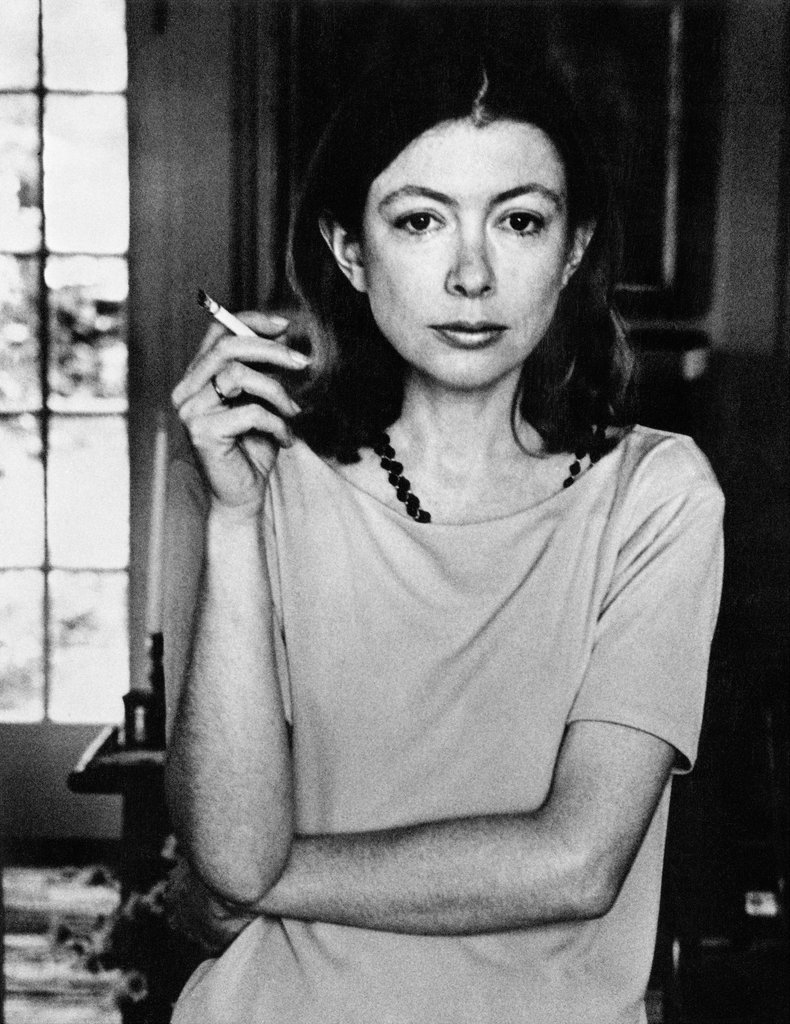
Eighty-three today, Joan Didion is inarguably old. But even in photos of the writer as a much younger woman, you can see something ancient and knowing that juxtaposes sharply with the youth culture of mid-twentieth century America. It’s a quality that distinguishes her work as much as her uncluttered, unflappable prose, and it makes her, to date, cinema’s most untapped natural resource.

It’s surprising that more of Didion’s books haven’t been adapted to screen, especially since she has worked many times as a screenwriter, usually with her husband, the late author and journalist John Gregory Dunne. All in all, Didion and Dunne co-wrote at least eight screenplays – more, if you count the ones they reportedly massaged without credit. In 1972, they adapted her own book, Play It as It Lays, though she has said in interviews she wishes the resulting film were better. (Few disagree.) There also was the 1971’s druggie romance “Panic in Needle Park”; the extremely furry 1976 reboot of 1954’s “Star Is Born” (itself a reboot of a 1937 classic); and the 1996 Robert Redford-Michelle Pheiffer journalist romance “Up Close & Personal,” loosely based on the life and death of TV reporter Jessica Savitch. What’s most surprising is this filmography’s soapiness. With few exceptions, the story arcs go along the lines of: Couple falls in love, life caves in on couple. Continue Reading →

First and Forest

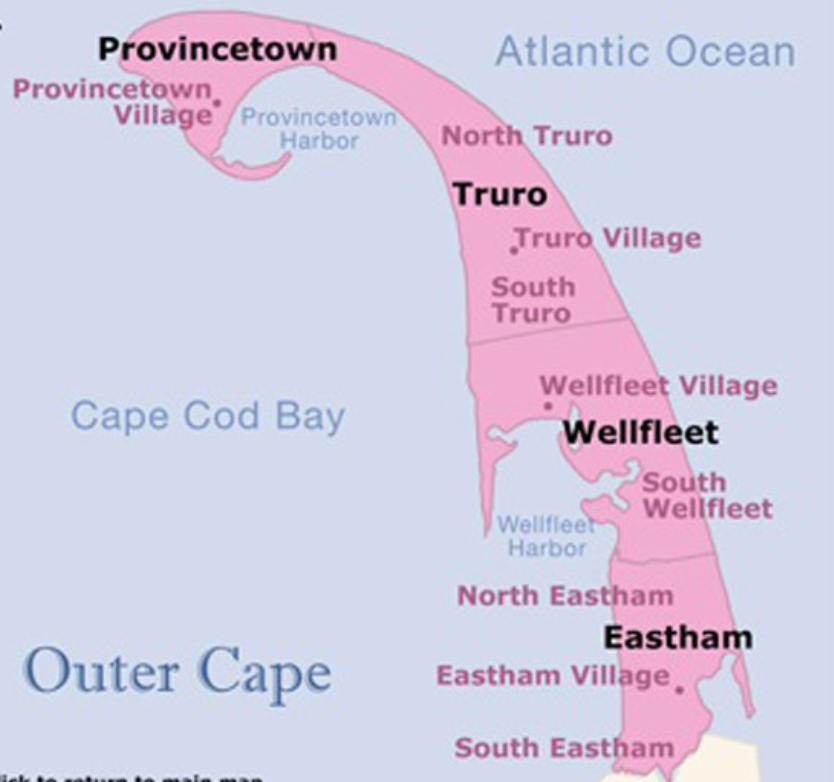
When I first came to Truro, it was only to be for a month. I had put the word out among my extended circle that I was looking to live in rural New England in September, and had rolled my eyes as I’d done so. Who’d be willing to lend me their empty house wily-nily for four weeks?

I had gall.

But as is often the case when change is necessary, that gall paid off. A friend from high school—someone I liked but had never known well—got in touch through Facebook, and next thing I knew Grace and I were hurtling to Truro in a car full of cat food, thin cotton dresses, and platform shoes.

That’s who I was on September 7. Tired eyes, disappointed smiles, trailing glamour like yesterday’s big idea. Grief-stricken about the hateful ignorance validated by the Trussian Oligarchy. Grief-stricken about who I no longer was. Continue Reading →

"All, everything I understand, I understand only because I love."
― Leo Tolstoy