
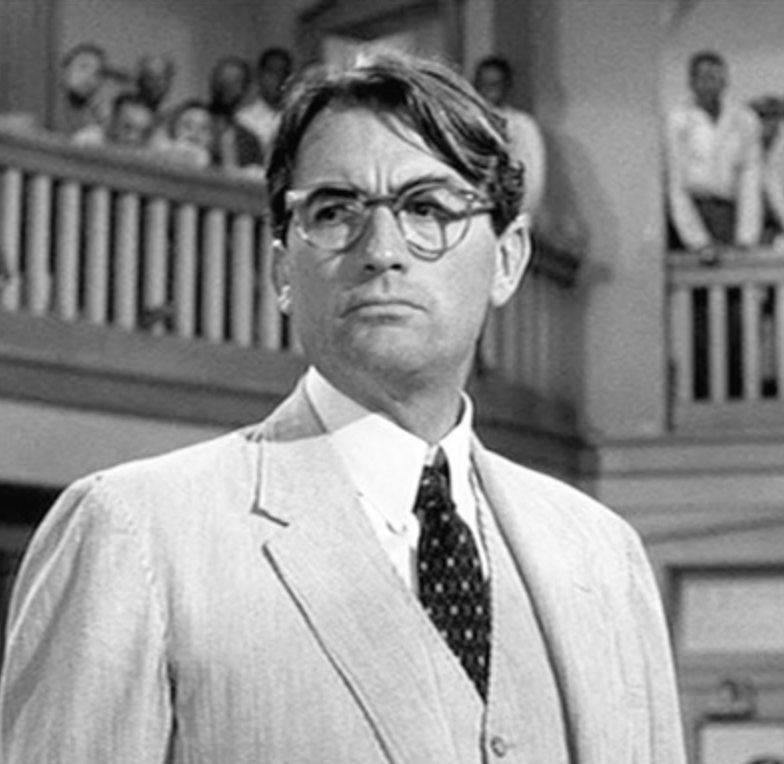
 “To Kill a Mockingbird” is mostly upheld for Gregory Peck’s Oscar-winning portrayal of good daddy Atticus Finch, iconically clad in tortoise shell glasses and cream linen suits. But in viewing the adaptation of Harper Lee’s Pulitzer Prize-winning 1960 novel today, I am taken aback by its micro-aggression–by the racism it perpetuates and condemns in equal measure.
It was released at the end of 1962, which was the last year before the cultural upheaval that we associate with the 1960s. In 1963, John F. Kennedy was shot, and America seemed to not only lose its innocence but its self-assurance. The assassinations of Bobby Kennedy, Dr. Martin Luther King Jr., and Malcolm X followed, as did the Vietnam War and Watergate and, well, you get the picture. “To Kill a Mockingbird” was filmed during America’s last year of post-World War II complacency. For better and worse, you can tell. Continue Reading →
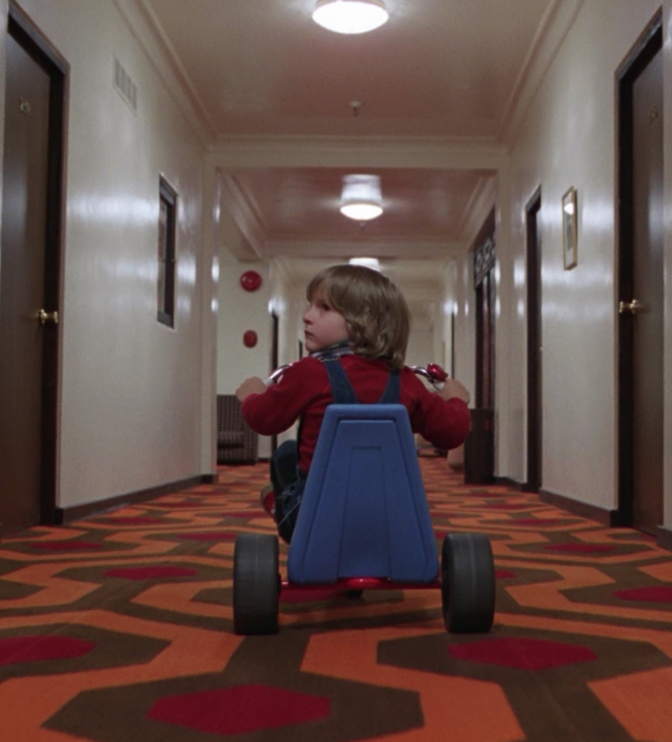 The Shining may have been released 36 years ago, but it occupies as much real estate in our cultural imagination as when it first rolled in on a wave of blood and geometric wallpaper.
 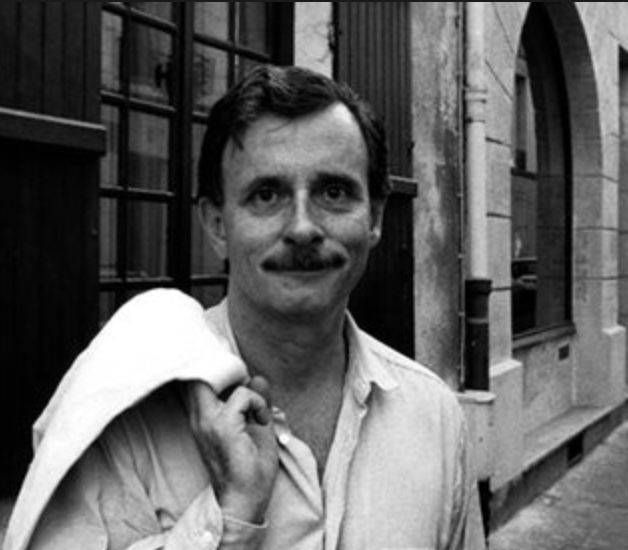 In the wake of the Orlando murders and during LGBT pride month, I have been looking to the elders of the literary queer community for wisdom and context. I’ve been reading lesbian poet, essayist, and self-proclaimed woman warrior Audre Lorde. I’ve been reading gay essayist and novelist James Baldwin. And I’ve been reading the words of gay essayist, cultural critic, playwright, biographer, memoirist, and novelist Edmund White. Still very much on the scene –