
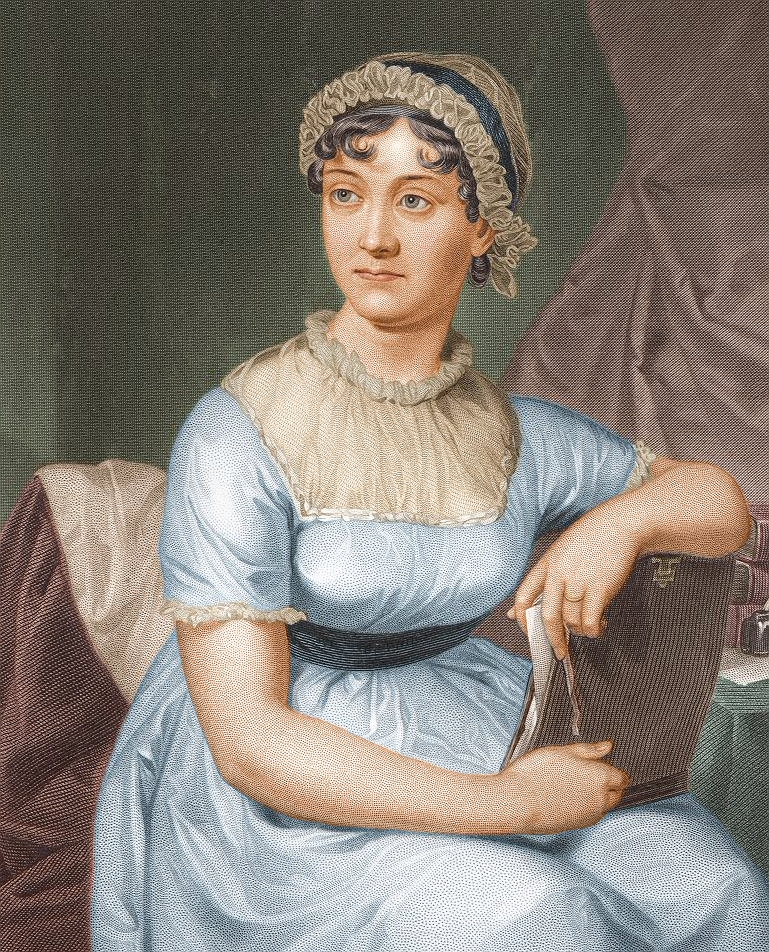
 “Love & Friendship,” Whit Stillman’s adaptation of Jane Austen’s Lady Susan, is one of the best films of 2016 so far. This is surprising not merely because Lady Susan, an epistolary novel that favors its wicked protagonist at the expense of its subsidiary characters, is easily Austen’s least-beloved book. It is also surprising because so few Austen adaptations live up to their source material. There is Ang Lee’s 1995 “Sense and Sensibility,” which, penned by Emma Thompson, boasts a delightful buoyancy, and Patricia Rozema’s appropriately salty “Mansfield Park” (1999). There is the 1995 BBC miniseries “Pride and Prejudice,” which launched Colin Firth as the dreamiest Darcy on both sides of the Pond. But for every Austen adaptation success story, there’s a film like the unfortunate “Emma” (1996), in which Gwyneth Paltrow simpers over cups of tea for two hours, or, worse, the 2005 production of “Pride and Prejudice,” in which Keira Knightley dimples and bats her lashes as Elizabeth Bennet.
No decent portrayal of Elizabeth Bennet entails dimples.
Yet given the general decline of Western civilization in both the U.K. and the U.S., I believe we need film adaptations of Austen’s work more than ever – films that uphold her wit, etiquette, and ethics. We just need good adaptations that match the right director to the material.
Here are some dream teams sure to deliver more truth than treacle. Continue Reading →
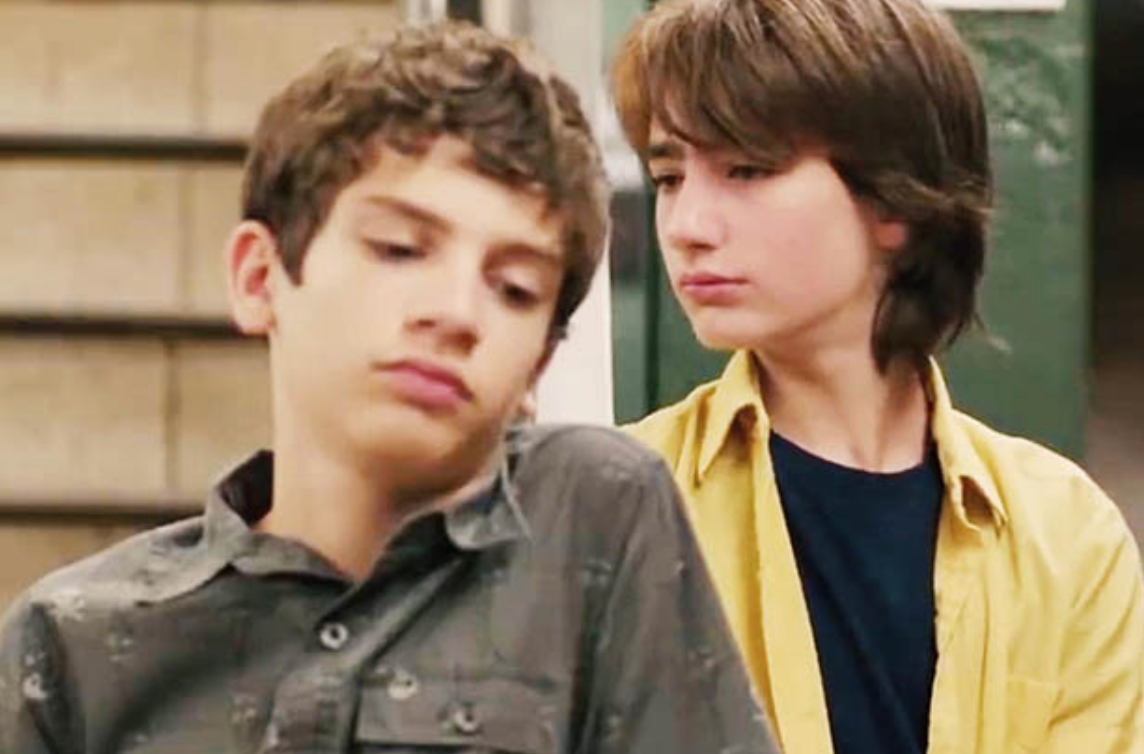 This week I got to speak about Ira Sach’s wonderful new film “Little Men,” a micro-indie (that doesn’t look like a micro-indie) focusing on the friendship blooming between two thirteen-year-old boys as their parents battle over a Brooklyn retail space. I gave the lecture to the wonderful
 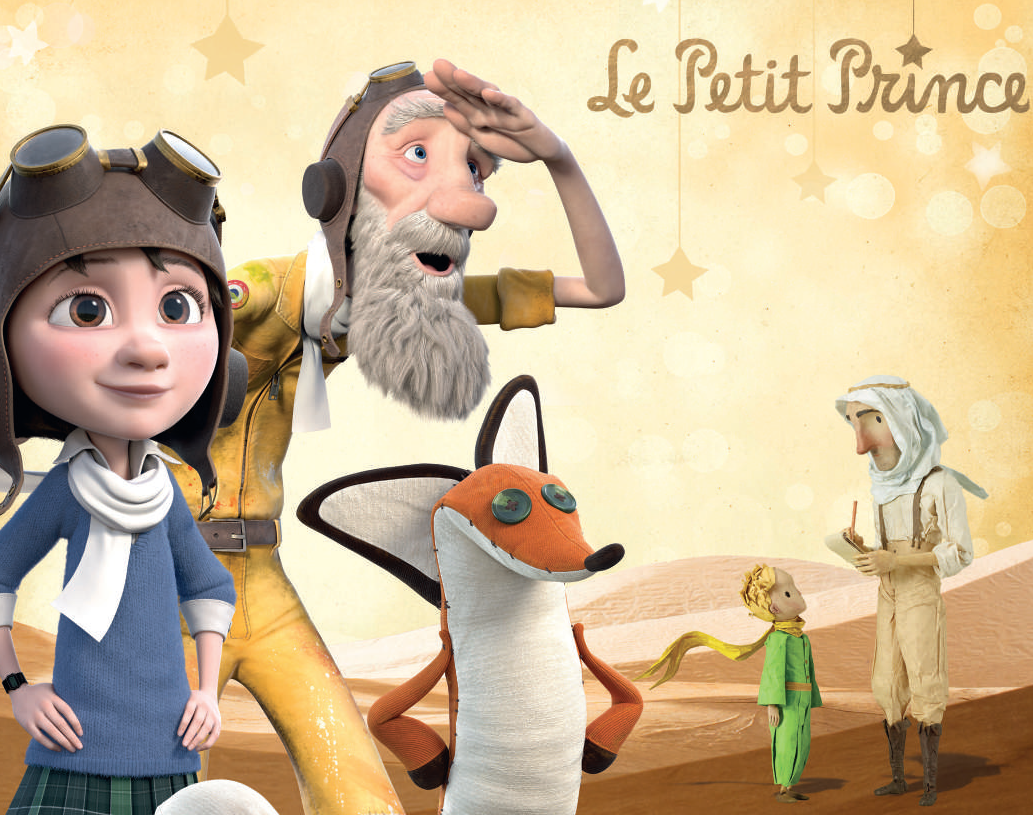 In terms of its impact on cinema, The Little Prince may well have been named The Little Engine That Could. From “The Aviator” to “The Lego Movie” and “The English Patient,” this children’s book about the interplanetary travels of a solitary boy on a solitary asteroid has been influencing films since its release in 1943 – the year before its author, Antoine de Saint-Exupéry, disappeared in a fighter plane. Inspired by his crash in the Sahara Desert during an international flight race, the story was always tinged with melancholy about the collateral damage of growing up.