 Last night radiated the sort of Manhattan magic that makes great change seem not only possible but inevitable, and it reminded me why I still love New York (as if I ever need reminding). My friend Rowena, with whom I recently connected and with whom I immediately re-experienced that bright snuggly feeling you get with members of your soul family, joined me for a special screening at the Crosby Street Hotel of the jazz documentary Songs of Lahore. I’m so glad we beat back our Daylight Saving Time stupor to go. Directed by Sharmeen Obaid-Chinoy, it is about classical Pakistani musicians who formed a collective in an effort to survive the artist-averse Sharia law, and it offers brilliant testament to how much art can help us transcend.
After years of releasing traditional albums with only limited success, the group marshalled their improvisational abilities and, calling themselves the Sachal Jazz Ensemble, recorded a rendition of “Take Five” that went internationally viral. It attracted the attention of the legendary Wynton Marsalis, who brought them to New York to perform with his group at Lincoln Center. An homage to cultural cross-pollination, the film offers significant dramatic tension as so much rode on the concert for the poverty-stricken, persecuted Sachal players, and Marsalis does not mess. (He fired their sitarist after the first rehearsal.) When it worked out—and lordy-lordy did it ever!—the audience at Lincoln Center spontaneously burst into ecstatic cheers. So did I. Actually, I was crying, too. This music was whole and rich and layered with not one but two ancestral traditions of joyous, tenacious grace, and I felt lucky to witness its whirling-dervish, big-bottomed glory.
As the credits rolled, the featured Pakistani musicians appeared on the hotel stage for a bow and everyone went bananas. We knew from the film exactly how much they had undergone to be with us, and were so glad to see them. Downstairs we all trooped for wine and schmoozing.
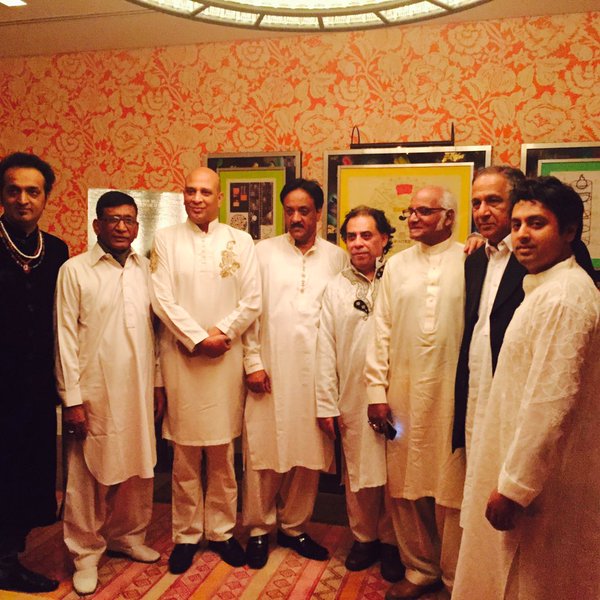
I tend to avoid NY film-related parties—same faces, same conversations, same big black glasses—but nothing about last night was usual. I ran into Ahmad Razvi, another long-lost friend whom I’d met at the 2006 Roger Ebert film festival when he was starring in the astounding film “Man Push Cart.” Ahmed introduced me to his “family,” the pack of instrumentalists who had just wowed us, and a minute later we all were giggling at each other’s happy silliness. “You like my music; you are my friend!” said percussionist Najaf Ali, waggling his eyebrows. “Well, exactly!” I said, flashing my crazy teeth.
The group sat on the floor with their flute and drums and guitar and violin and sitar, and Rowena and I kneeled with them as they launched into some of the most astounding improvisation I’ve ever heard in person. All 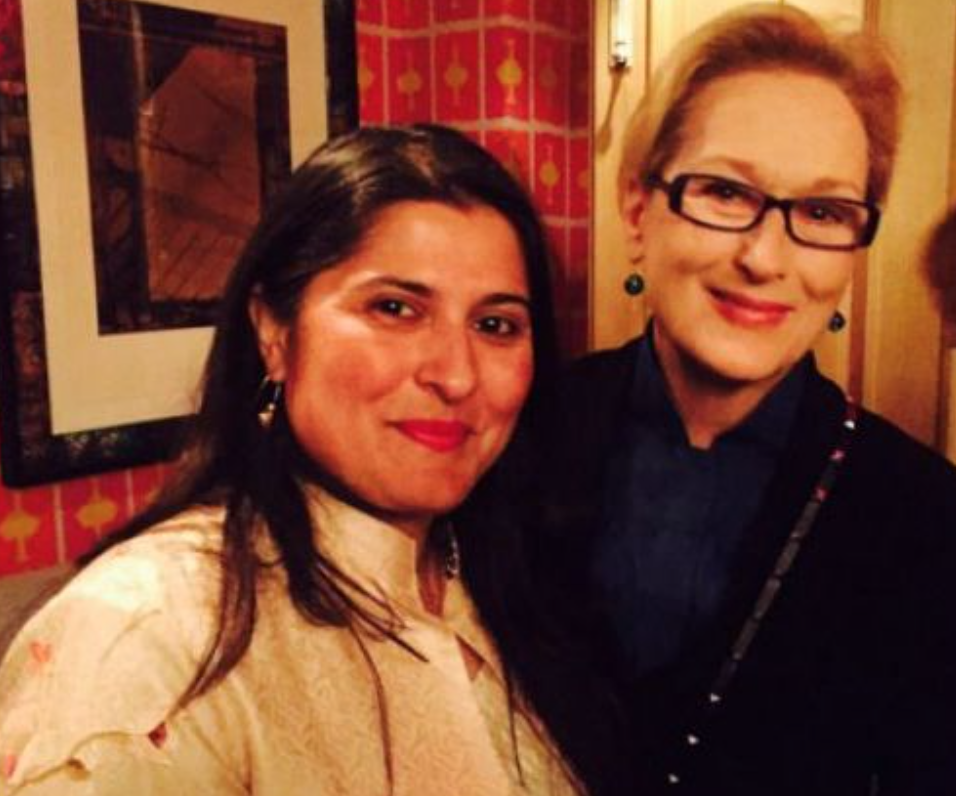 around me the normally stitched-up crowd was laid open and lit up—moving and nodding hello-hi-how-are-you at the huge thing happening in that room. Even Meryl Streep, who was hosting the affair, was swaying like a college girl at a be-in rather than a movie star with a bunch of gold boys in her closet.
It was a magical night, pure magic, and one way I know is I forgot to take any pictures and Rowena’s phone disappeared into thin air after she took a bunch. When the energy frequency is that high, electronics can never keep up.
(Note: These photographs were taken with other people’s cameras.)

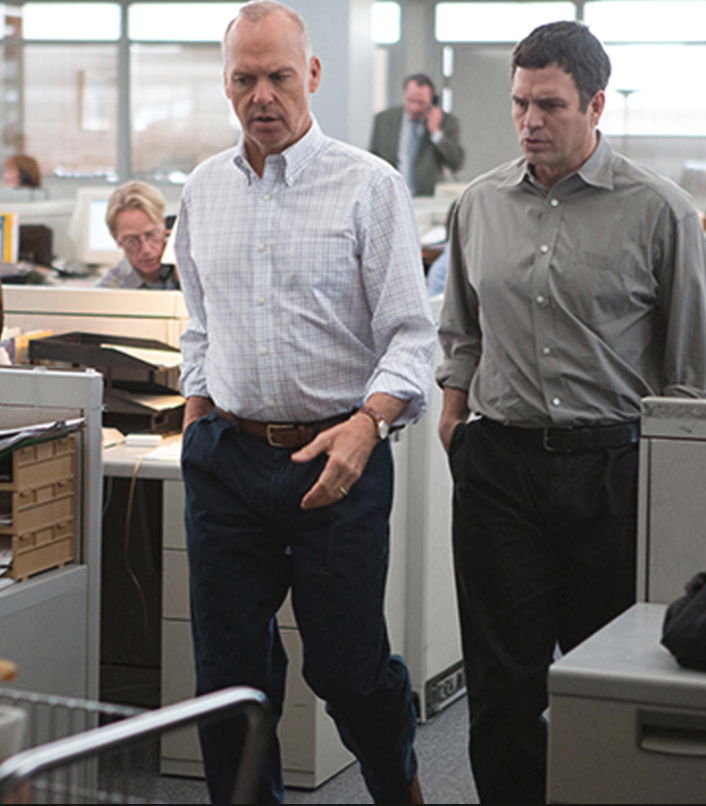 If last month’s “Truth” sings a swan song for the nobility of the media, “Spotlight,” about the Boston Globe’s Pulitzer Prize-winning exposure of the widespread pedophilia and subsequent cover-ups within the Catholic Church, reminds us that good journalism is not only necessary but possible. It does this by, pardon the pun, practicing what it preaches, and the result is a profoundly satisfying film – perhaps the most satisfying film that American cinema will deliver this year.