
As Seen on TV: ‘This Is Where I Leave You’
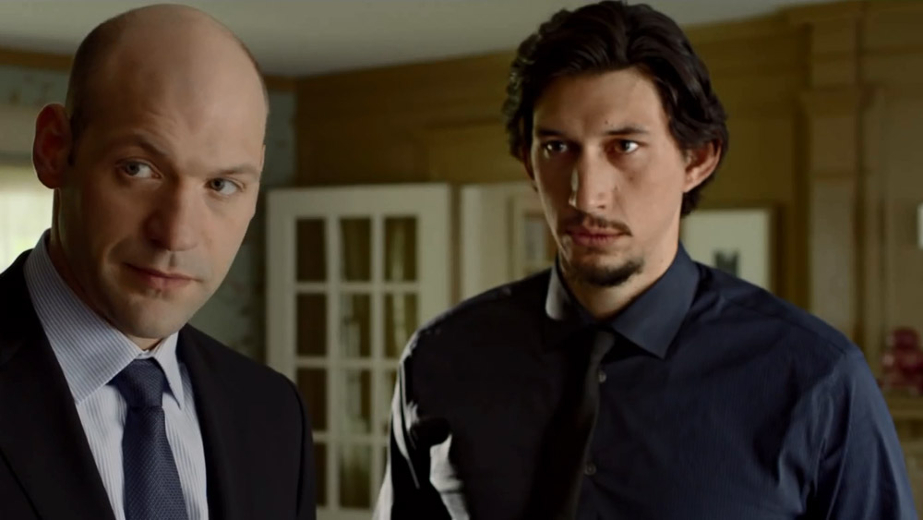 “This Is Where I Leave You” is such a rare bird nowadays — a mid-budget, big-studio ensemble dramedy — that the only real basis for comparison is the television drama. That’s hardly an insult. As the critic David Thomson recently wrote, “Long-form television is the narrative form that has transcended movies as the novel once surpassed cave paintings.” Even if that weren’t so, the setup of Shawn Levy’s new film might seem like an offering from some (utopian) NBC lineup: It’s based in an American suburb. It blends humor, romance, and bathos. And it features an endearingly dysfunctional family with Jason Bateman and Tina Fey at its center, both of whom wisecrack aplenty as they keep their wackier clan members in check.
Adapted by Jonathan Tropper from his best-selling novel, it begins as Judd Altman (Bateman) discovers his wife (Abigail Spencer) is sleeping with his radio schlock jock boss (Dax Shepard). While Judd’s still reeling, his father dies, and his mother Hillary (Jane Fonda) declares their whole family must honor the Jewish custom of sitting shivah together for seven days. This leads to an excellent sight gag: the four grown Altman children — Judd, Wendy (Fey), Paul (Corey Stoll) and Phillip (Adam Driver) — lined up with Hillary on improbably tiny chairs as their friends and neighbors ply them with carbohydrates galore. (Noodle kugel is a favorite.) Continue Reading →
The Ecstasy of Influence and Figs
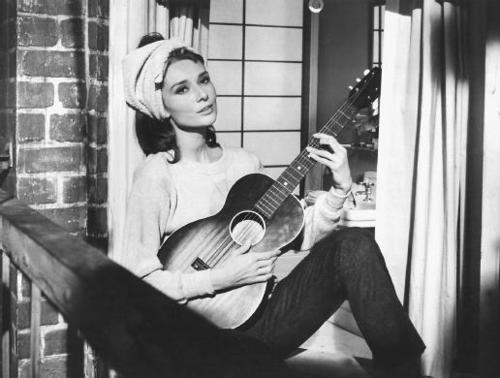 September Saturday morning: Dressing like a camel lady (flannel plaid shirt; long print skirt; beat-up Birkenstocks, albeit silver ones). Digging on Prince channelling Bonnie Raitt through my kitchen speakers. Carmelizing figs with honey and sliced almonds and sea salt and thyme. Spooning it all in with a splash of sheep’s milk yogurt on the fire escape. Trusty grouch-kitty sitting pretty by my side. My early-morning life, thus framed.
Communing With ‘Tracks’
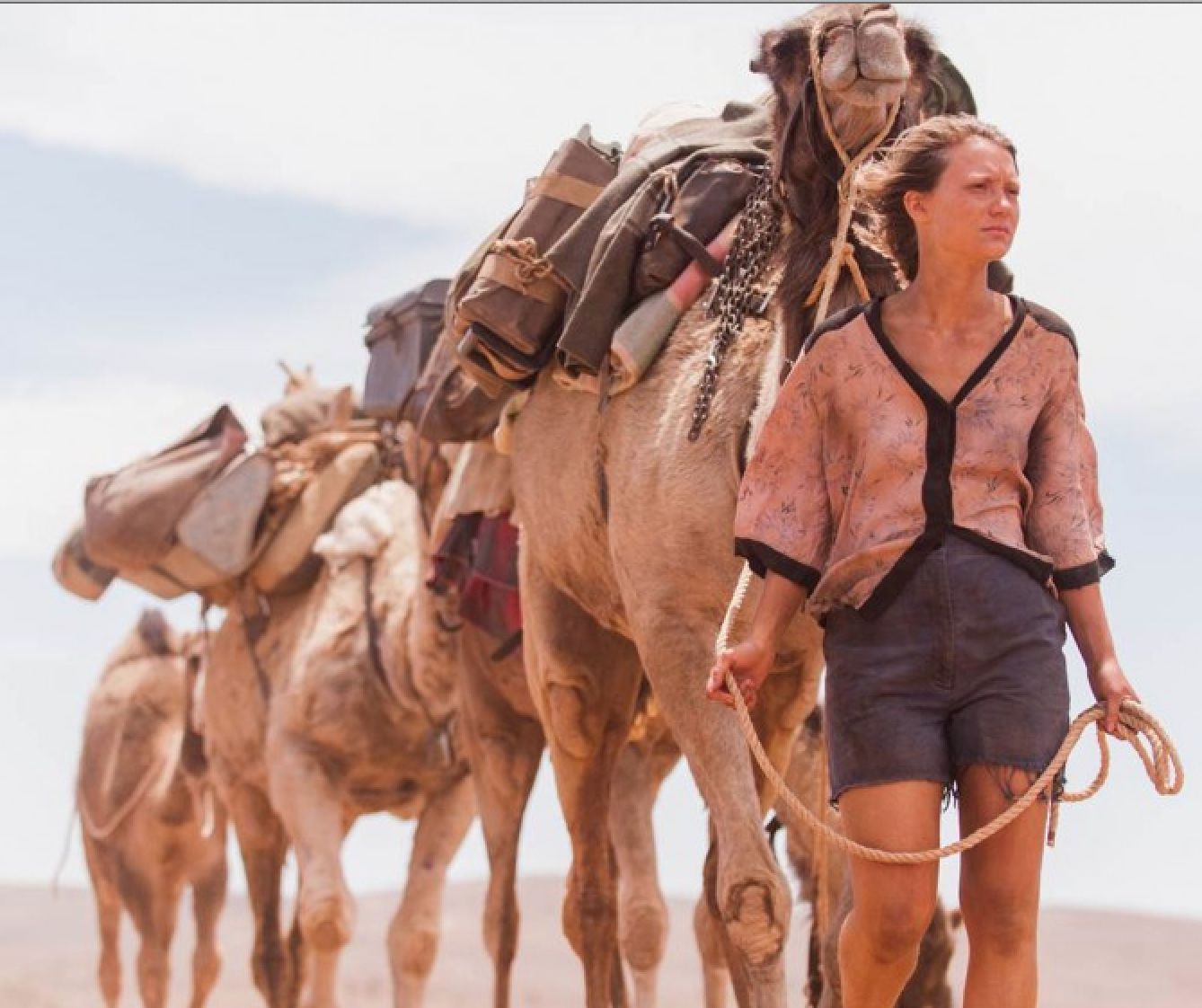 To call Robyn Davidson’s 1980 best-selling memoir Tracks a travelogue is a bit facile. It’s not that it doesn’t conform to the definition of a travelogue: It is about her 1977 trek across 1,700 miles of west Australian desert with four camels and her sweetheart of a dog. But for many men and even more women, the book is also an anthem of liberation – from racism, nationalism, sexism, and from social conditioning itself.
Davidson writes:
The self in a desert did not seem to be an entity living somewhere inside the skull, but a reaction between mind and stimulus. The self in a desert becomes more and more like the desert. It has to, to survive. It becomes limitless, with its roots more in the subconscious than the conscious.
To those tired of the “Me Decade” (which has since lengthened into the “Me Decades”; is it possible we’re having a “Me Millennium?”), Davidson’s rejection of the Western concept of the self comprised the very essence of liberation. The irony was that, having achieved an egoless state out there in the outback (however fleetingly), Davidson bristled at the egotism implicit in self-documentation. Practical Aussie that she was, she still dutifully wrote up her trip for National Geographic magazine, her sponsor. She even allowed photographer Rick Smolan to capture her image as “the camel lady,” as she became known internationally. The book she subsequently wrote relayed her journey as well as the ambivalence she felt about needing anything – from other people to words themselves. It’s an unlikely subject for a bestseller, really. Unless you factor in Davidson’s glamour.