
September 11 in Parentheses
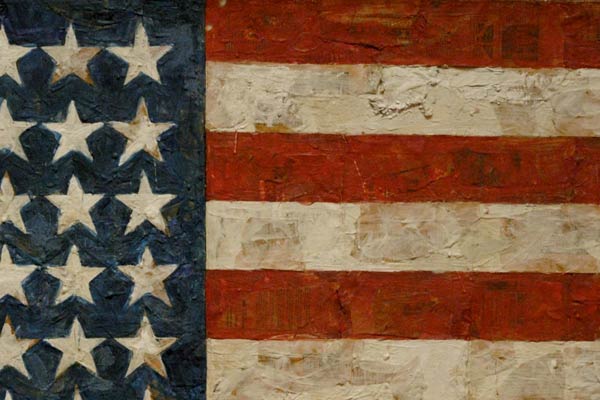 Every year September 11 takes me by surprise. I forget that the day after September 10 isn’t just a day when an article is due, when my this-or-that class is scheduled, when I’m supposed to meet up with so-and-so for coffee. I don’t remember the import of the day until it arrives, when comments start flooding the social media you can’t escape anymore. That’s when I realize what my body has already been registering for days–in the generalized depression I’ve been feeling, in the uncharacteristic anxiety that has been seizing my limbs and messing with my attention span, in my suddenly sour stomach (gut instincts being almost mundanely literal). What I recognize is I can’t run away from the losses of that day. For me, the events of 9/11 will always be profoundly personal—someone I loved died, a future I’d envisioned for my city and myself (one that included a marriage and a child) died as well. But it’s a date that everyone in the world quickly seized as their own. Now it’s the worst kind of personal-is-political—a day upon which everyone projects (institutionalizes, even enforces) their particular brand of fear and fury. If only we could make it National Shut Up and Think Day instead.
My Trans-Everything Cousin
 Pictured here is my amazing cousin Martine, as featured in a lengthy New York Magazine profile. Ironically, though she shares my suspicion of DNA bonds, she’s a new millennium incarnation of our outlaw grandmother Masha Rubenfire. A Polish Jewish immigrant who ran a successful Salem, Mass, brothel, Rubenfire made it all happen when her schnorrer husband ditched her with two small kids and no language skills. Martine–who looks more like Rubenfire than anyone else in our family does–has constructed a gender reality, a financial reality, a relationship reality, a technological reality, and a spiritual reality not only for herself but for others, including me. Say what we will but the blood is fierce in our line. Rubenfire helps from beyond the grave.
‘The Graduate,’ After the Revolution
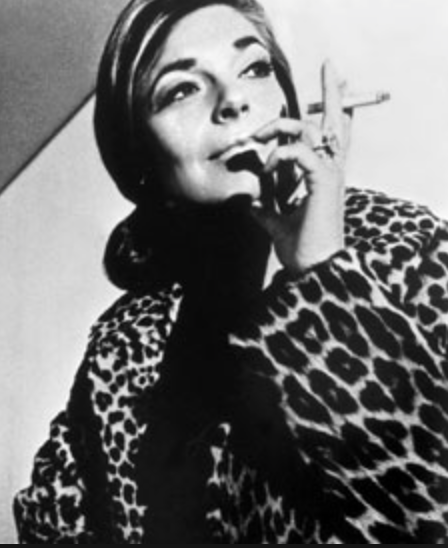 There are few pleasures greater than revisiting a favorite film. Each time we luxuriate in its familiar glamour, we observe something new – a camera angle, a fleeting hand gesture, an aside that’s even cleverer than we remembered. Only a good book about a favorite film can actually enhance that pleasure, by pointing us to elements we’d never notice ourselves.
Pictures at a Revolution, Mark Harris’ 2008 look at the Academy Award nominees for best picture of 1968 (“Bonnie and Clyde,” “The Graduate,” “Guess Who’s Coming to Dinner,” “Doctor Dolittle,” and “In the Heat of the Night”), is precisely that sort of book. Panoramic, insightful, chatty, and well-researched, it makes a reader feel as if she or he were in the studio board rooms, casting calls, sets, and, above all, original screening rooms of these films long before they became classics. Of the five, I’m most thoroughly and happily acquainted with “The Graduate” – mostly for the mid-sixties fashions (those fake lashes, those leopard prints!), the eminently quotable dialogue (plastics!), the staccato stammering of Dustin Hoffman, the been-there-done-that drawl of Anne Bancroft, and, oh yes, that Simon and Garfunkel soundtrack. Harris’s analysis of the film and its production – he interviewed “everyone who was anyone” who was still alive – reveals a treasure trove beneath those appealingly reflective surfaces. Continue Reading →