On Living Softly, and Not Having a Big Stick
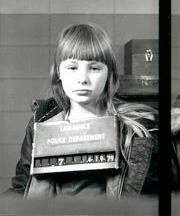
Portrait of the Artist as a Young Thug
Growing up, “soft” was an insult. The ultimate one, actually. In my family it was an umbrella term that meant out-of-shape, clueless, indolent, addled, un-vigilant, prissy, overly sensitive, entitled. You were soft if you didn’t take it on the chin. Soft if you asked for a ride when you could walk. Soft if you whined “I can’t.” Soft if you couldn’t run a mile or sported a gut. Soft if you cried when you dropped your ice cream. Definitely soft if you were a tattletale.
Every usage of the word was anathema to us, and by “us,” I am referring to my dad and thus my little sister, my mother, my myself—my father’s subjects, the peasants to whom principles came down by edict.
Soft hands meant you lacked a work ethic, the might or tenacity to do physical labor. A soft voice meant you were namby-pamby, couldn’t assert yourself. Being soft-hearted meant you were a sucker. There was a long list of what was soft, and crowing it were the rich people in my Greater Boston town, which literally had a “wrong side of the tracks” since the Mass Pike divided the more working-class sections from the wealthier people on the Hill. The rich girls wore expensive rugbys and braids, had sleepover parties with cutesie PJs, whispered about their crushes. The girls in my neighborhood wore tight designer jeans and feathered hair, hung out at the corner store, had boyfriends with whom they did a lot more than hold hands though we were all years before puberty.
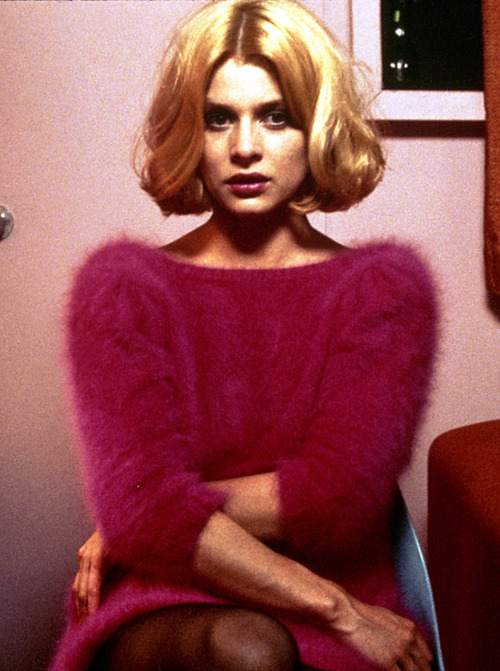
Though gentle, Charlie Bucket was not soft, which is why he inherited the Chocolate Factory. Harriet the Spy was not soft; all you had to do was look at her work uniform and know she was tough as nails. In those slippers and knitted sweaters, Mister Rogers and his braying singsong were ridiculously soft. And the Beatles, oy the Beatles. With their thin voices, those fa-la-la proclamations of love—forget it. So soft. As a matter of fact, all white music was soft, except punk rock and, of course, the Stones. With their big bass lines and bigger tongues, the Rolling Stones were hard in every sense of the word. Before I even understood what sex entailed, I groked that the Beatles were the equivalent of making love and the Stones were all about fucking. Which, by definition, was not soft. (It took me a lot longer to recognize how racial commodification and femmephobia tied into my received notions of softness.) Continue Reading →
You Say Blue Jasmine, I Say Rotten Tomawto
 I would have been so happy to keep mum on the topic of Blue Jasmine. In the week of its release I was on vacation, confident that colleagues would cover all necessary ground without my two cents. (I’d already extensively documented my feelings about Allen’s work in the 2006 essay Hollow Wood.) But upon my return I discovered everyone falling over themselves like high school football players in high heels. Which begged the question: Were these glowing reviews of the same film I’d so blithely dismissed as Blue Jizz?
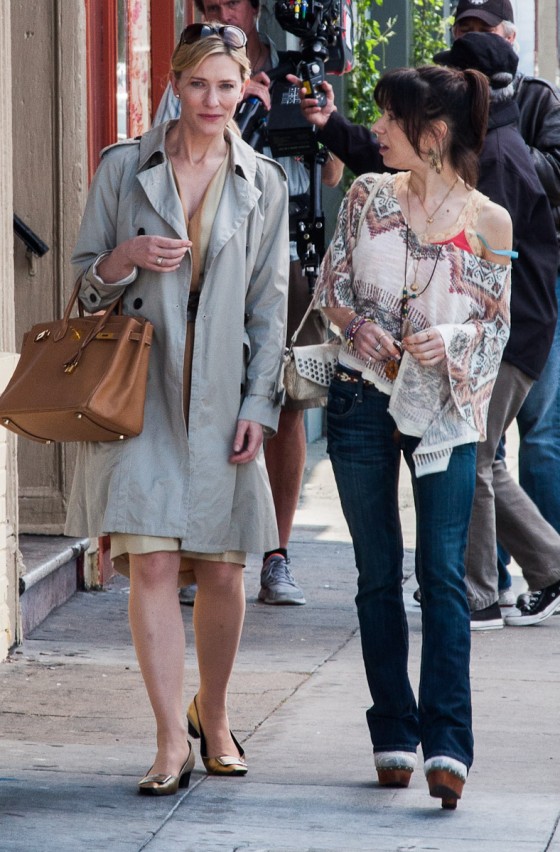
The premise itself, like too many of Allen’s post-Mia endeavors, is a meet-too-cute mashup: Call it A Streetcar Named Madoff. Cate Blanchett plays Jasmine née Jeanette, a New York socialite who’s fallen upon hard times since her charlatan of an investor husband (Alec Baldwin) left his family toe-up. After being forced to move to Brooklyn (Woody’s old-man slippers are showing), she lands upon the San Francisco stoop of her working-class sister Ginger (Sally Hawkins), whose marriage to Andrew Dice Clay ended when Jasmine’s husband swindled them out of their savings. Cue vodka-swilling, pill-popping, and smack-talking—especially when it comes to Ginger’s hotheaded beau Chili (Bobby Cannavale), who’d only be more aptly named if he actually were called Stanley.
That Blanchett actually played Blanche DuBois in a BAM production of A Streetcar Named Desire adds a curious wrinkle here. For though her characterization of Jasmine is slightly comic and slightly harrowing, mostly it is just slight—like the film itself. There’s a faintness at hand here, as if we were watching a facsimile of a facsimile. Continue Reading →
The Church of Our Lady Cinema: Paris, Texas