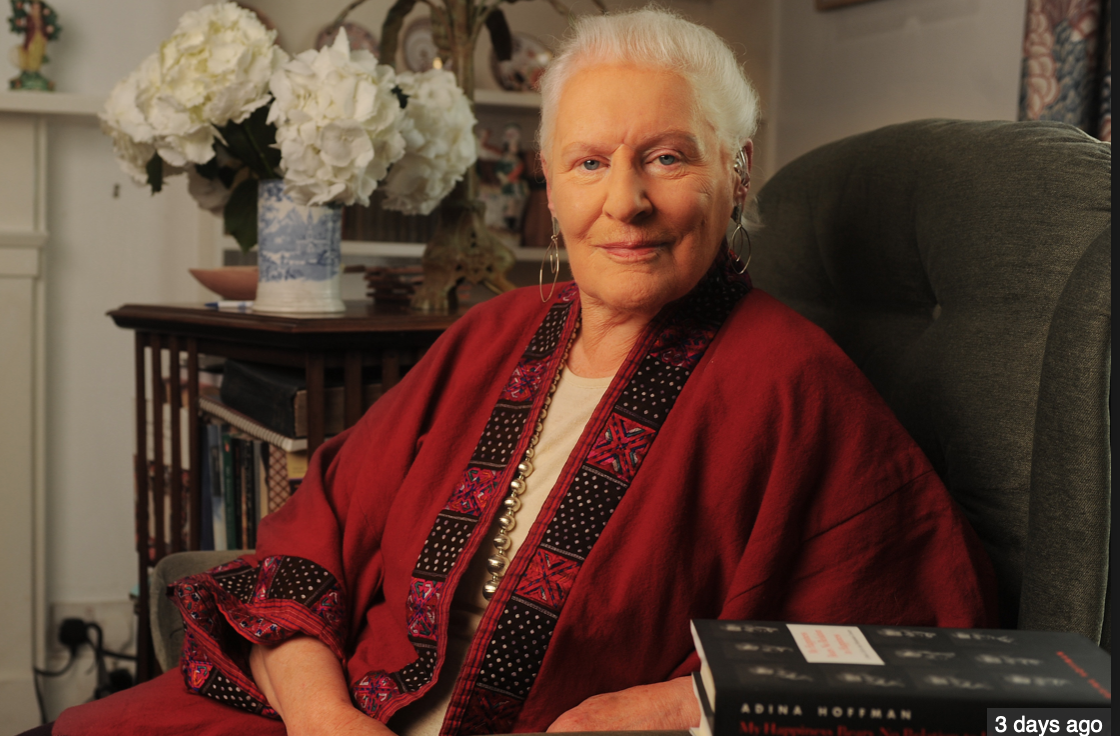
 Diana Athill, who died last week at 101, was one of my living literary idols–a model of complex, creative female independence that even now comes at great cost though it imparts greater rewards.
Never married, she was born in 1917 to English nobility that lost its cash. After serving for the BBC Overseas during World War II, she worked as a groundbreaking book editor for decades; her authors included Simone de Beauvoir, Norman Mailer, Jean Rhys, John Updike, Jack Kerouac, and Margaret Atwood. In her late 40s, she published her first book of fiction and went on to pen two more novels and ten memoirs. She also moved through a stable of glittering, great loves well into her dotage.
Coolly phrased, exuberantly hot-blooded, her subject-verb subject-verb rhythms taught me so much about the multitudes uncluttered sentences could hold. Never was there a Hemingway dissociation in her reserve–just precise passion and ever-piercing truth.
Once she hit her 90s, I held my breath every time her name appeared in Google alerts. Each one heralded more brilliant things she’d written, more generous comments she’d made. By this year I stopped thinking she’d ever die, and took enormous comfort in that fact–as if a life could persist so long as it was usefully and joyously lived. Then Thursday the news I’d been dreading arrived.
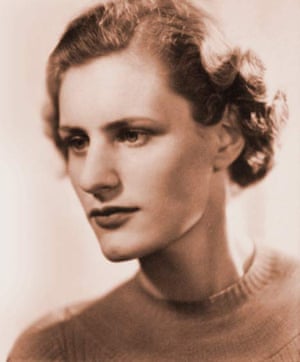 Already it had been a tumultuous few days–the stranger’s slap, my financial white flag, the return to my memoir for the first time since November, not to mention the triumph of Nancy Pelosi, the arrest of Roger Stone. But nothing proved more destabilizing than this headline: “Diana Athill, dead at 101.”
What life she lived. What life she shared. She and Mary Oliver both deserve their rest but I imagine instead they’re diving with great zeal into the Book of Akashic Records–both of them always so appreciative of other people’s words. Thank you thank you thank you thank you, child-free mothers. You showed younger Jo Marches how to love everything big and everything small about ourselves and the world.