
 Chilean director Pablo Larraín seems to be on a one-man mission to revolutionize the biopic genre. This year alone, there’s his “Jackie,” in which Natalie Portman plays an anemic Jackie Kennedy Onassis reeling in the immediate aftermath of President Kennedy’s assassination. As beautifully fractured as a Louis XIV mirror, it’s a fascinating – if oddly superficial – glimpse into the making of the Camelot myth. Also landing Stateside this season is “Neruda,” Larraín’s Argentinian import about Pablo Neruda nee Ricardo Eliécer Neftalí Reyes Basoalto (Luis Gnecco). The far stronger of the two films, it’s ostensibly about the pursuit of the exiled poet and politician, but really a long look at authorship itself – who owns a story, and, perhaps more importantly, who owns a storymaker. Continue Reading →
Archive | Book Matters
Social Change and Sci-Fi: 5 Authors to Heed
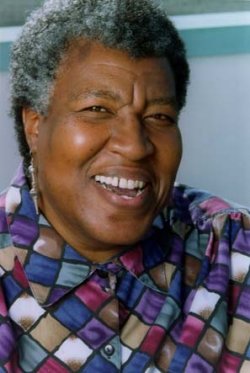 Science fiction has always best served those not served by their current reality. Utopias proscribe alternatives to a reality increasingly hostile to many; dystopias highlight destructive elements while we still can change them; and all speculative tales offer metaphors that double as handy tools in the fight for social change. Alas, not all sci-fi advocates for social justice; some only focuses on wish fulfillment, whether it’s consequence-free sex with mega-hotties or a mastery of the fourth dimension (time). But by marshaling imagination and innovation, the best sci-fi authors grant us a better understanding of ourselves, our world, and all the selves and worlds we can be. Is it any wonder that the genre holds the greatest appeal to those of us who in one way or another are labeled “other” or “in-valid” (with a nod to the 1997 film “Gattaca)? With a bona-fide dystopia now serving as reality, it’s time to explore visions of how else we can live. Here’s a primer of five authors that make a great start. Continue Reading →
‘Nocturnal Animals,’ Empty Calories
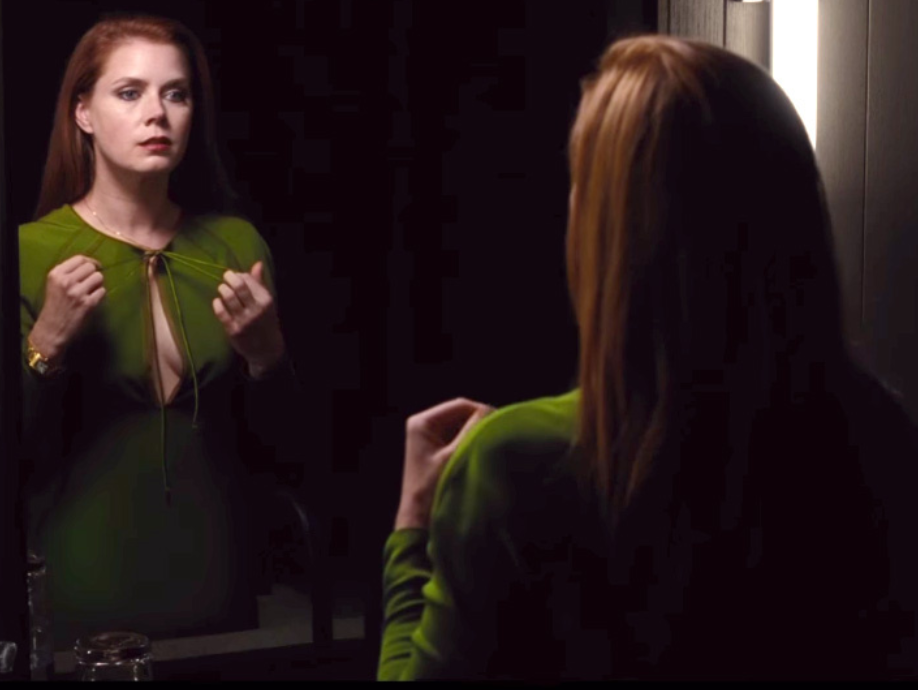 As a film director, Tom Ford is a great art director. By this I mean that, with the exception of “Bling” director Sofia Coppola, he is uniquely concerned with the surface of things. This is not surprising, for Ford has made his name as one of the premier fashion designers of his generation. But in his movies – “A Single Man” (2009) and now “Nocturnal Animals” – he expresses ambivalence about appearances, especially when it comes to keeping them.
It’s also not surprising that both films are literary adaptations. You get the sense that Ford knows he’s best at fleshing out someone else’s content; form and function, baby. Starring Colin Firth, “A Single Man” is curated from Christopher Isherwood’s interior novel about the melancholy of a closeted professor, and Ford’s fascination with midcentury American style allows us to glean the depth of his protagonist’s depression; if these creamy colors and sharp angles aren’t going to make this man happy, nothing will. But based on Austin Wright’s 1993 novel, Tony and Susan, “Nocturnal Animals” is a tougher sell, mostly because the director amps up the book’s stakes – vamps them up, too – without locating its core. You could dismiss it as a stylish exercise, except that he’s chasing some messages that never deliver. Continue Reading →