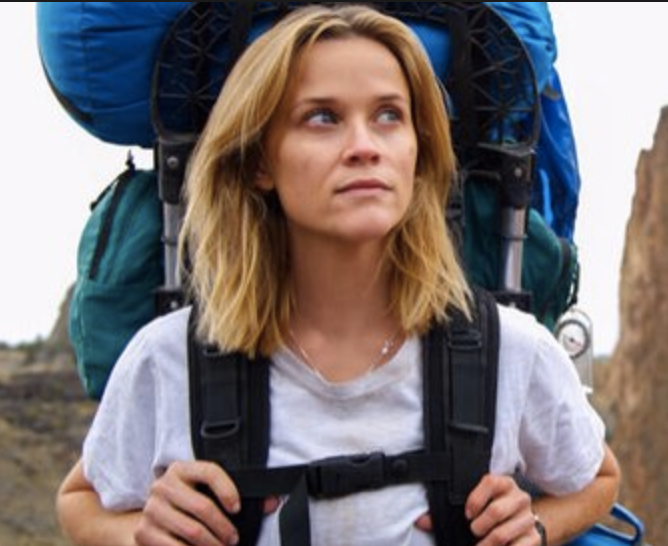
 At heart, Wild, Cheryl Strayed’s wildly popular memoir about hiking the Pacific Crest Trail, is a mother-daughter love story. Cheryl and her mom, Bobbi, attended college at the same time, and before the two got a chance to resolve their deeply loving, deeply charged dynamic (or even receive their degrees), Bobbi died of breast cancer – leaving Cheryl to feel she had failed in what she perceived as her job to protect her mom. It’s no wonder that the younger woman ruined her marriage, became addicted to heroin, and, almost secondarily, forced herself to walk 1,100 miles of desert and mountain land. She had a ghost to exorcise, and she exorcised it so beautifully that along the way she spawned a best-selling memoir – and, by extension, a movie produced by and starring Reese Witherspoon in the titular role. As Witherspoon has joked, this may be the first film ever to star a woman who has no money, no man, no parents, no job, and no opportunities but still boast a happy ending.
The overall pedigree of “Wild” is both impressive and a little surprising. Of course the story has flinty Reese and her strong jaw written all over it, and Laura Dern’s raw grace makes perfect sense for the character of Bobbi. Less intuitive is louche British novelist Nick Hornby as screenwriter, with direction provided by Jean-Marc Vallée, who helmed last year’s sinewy AIDS drama, “Dallas Buyers Club.” Valée also co-edited this film under the pseudonym John Mac McMurphy (as he did “Dallas Buyers Club”), and that’s the most important credit at hand. This is a film that’s really all about the editing. Continue Reading →