
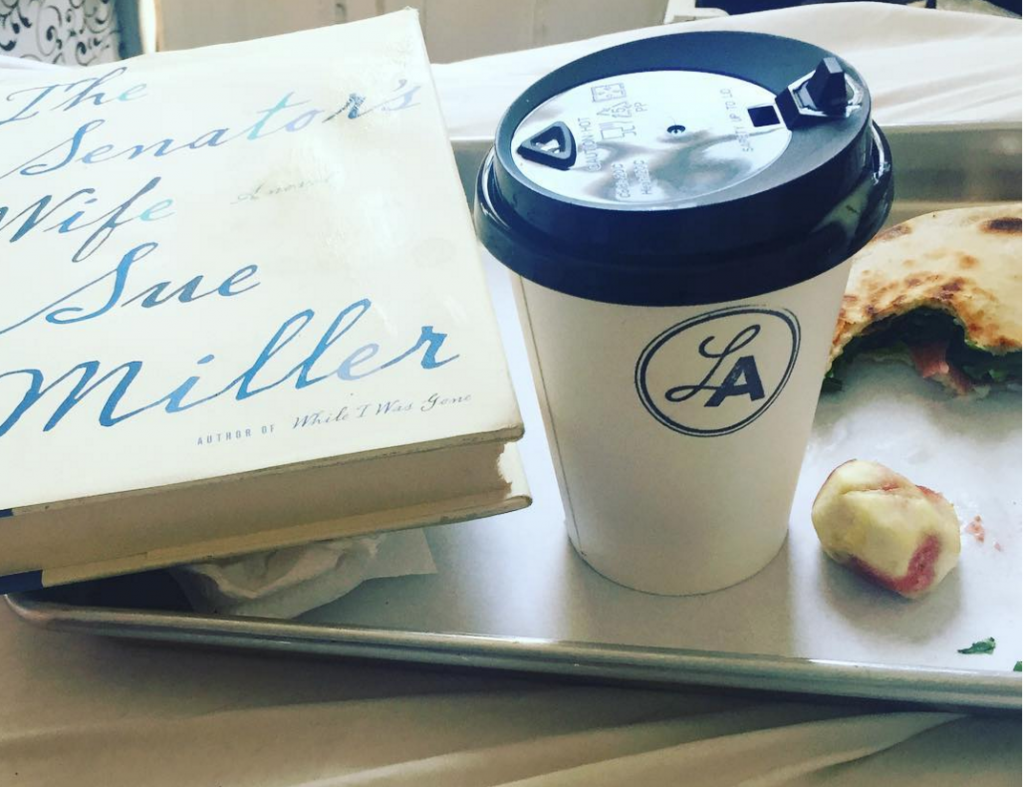
 I did Ruby Intuition sessions all weekend, wrote essays Monday and Tuesday, and wrote and delivered a film lecture for the delightful Huntington cinema club out on Long Island last night. Today is my Saturday morning, and I woke feeling a little decadence was in order. So I put on platforms and a skinny black sheath, arranged my newly blue-blond hair in a big upsweep, and ducked downstairs to the cafe next door—-only to repair back to bed with a silver tray bearing an Americano, freshly peeled figs, and a prosciutto-arugula sandwich. Here I will read and read and read, stopping only to doze or admire a certain permakitten or watch the doves outside my window. I will read until I feel like writing again. This is the midlife, midsummer glamour I promised myself as an unhappy child, and I never forget to be grateful. Gratitude is the ultimate glamour, don’t you know.
Archive | Essays
Of Grace and Duty: Materialist Matisse
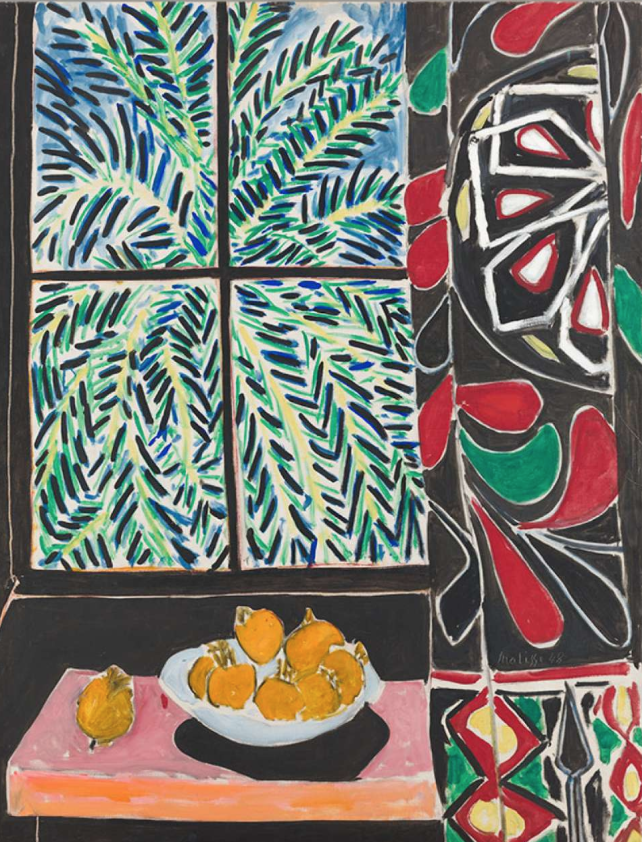 Much has been made of Henri Matisse’s use of color, and much should be. Arguably the most adventurous colorist in the history of art, the artist’s palettes improved upon peak foliage, peak blooms, and the many feathers in a peacock’s plume. The painterly equivalent of a pregnant lady’s incongruous cravings, his hues forever altered Western civilization’s understanding of how color could explode upon a canvas. Along with the introduction of LSD, he and other Fauvists may have been centrally responsible for the rainbow splendor of the 1960s.
But in “Matisse in the Studio” at Boston’s Museum of Fine Arts (it’s since moved on to London’s Royal Academy of Arts), the artist’s patterns are as important as his palettes. Spanning fifty years, the show is organized into five sections – “The Object Is an Actor,” “The Nude,” “The Face,” “Studio as Theatre,” and “Essential Forms” – and features his paintings, sculptures, drawings, prints, and cutouts as well as key possessions that inspired him. Not all of these objects of affection are high-falutin’; among them are a chocolate pot, a green glass vase, a short chair, a pewter jug, haitis (embroidered hanging cloths) from North Africa, and masks and figurines from sub-Saharan Africa. But he appreciated each enough to use in his work again and again. “He acquired things not because of their material worth, but because of how they spoke to him,” MFA co-curator Helen Burnham has said.
In his paintings, aglow with ochres and mauves and tomato reds, female subjects do not dominate so much as contribute shapes and shades to whole series of shapes and shades. In what has been called a “quantity-quality equation,” areas of color, each marked by a different pattern, are arranged across his canvases so that they are all accorded their own value. In Matisse the Master, Hilary Spurling quotes him as saying: “Peace and harmony is always my aim.” With everything as foreground and therefore background too, this aim is abundantly evident. Each of his canvases constitutes a flourishing democracy, if ever there’s been one. (America should take note.) Continue Reading →
The Church of Slow-Food Literature
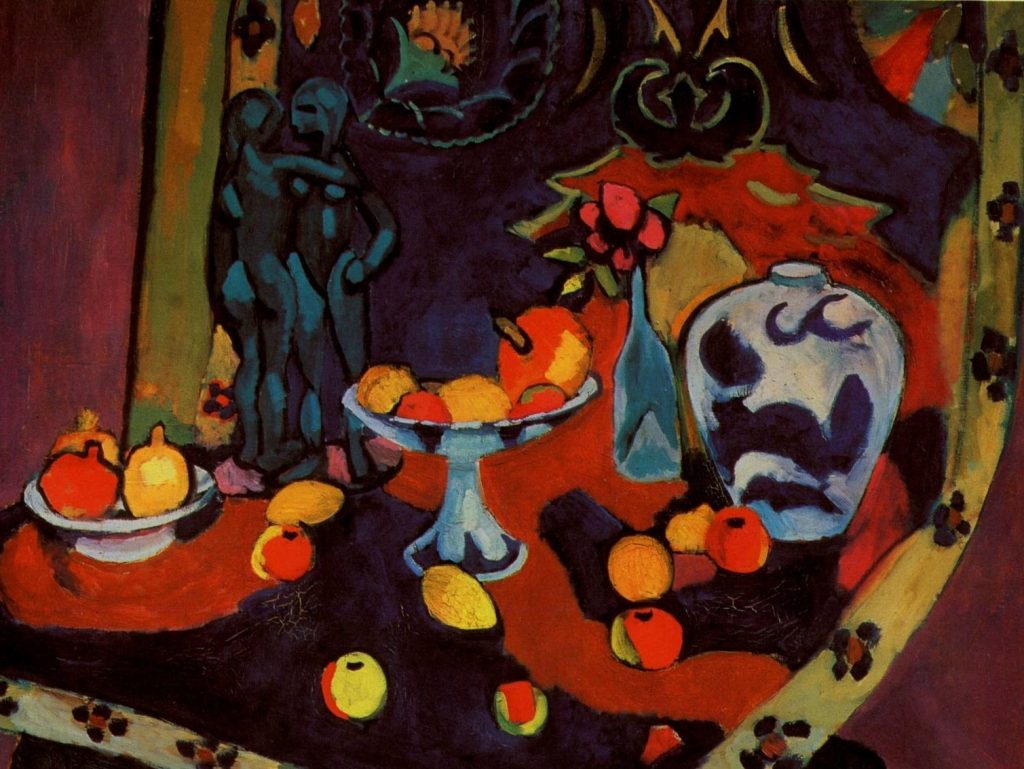 Summer harvests are in full swing, as are all kinds of inspired cooking. This time of year, Mother Earth doesn’t just entice us to stop and smell the roses; she invites us to savor the tomatoes, shuck the corn, can the berries and pickle the cucumbers. It is time to compose meals from greenmarkets, farm stands, and our own gardens. It is time for slow food.
But “slow food” – a movement emphasizing local agriculture, livestock, and cuisines – is not just a literal concept. It is also figurative, a handy metaphor to describe the great pleasures and rewards of unplugging from the hustle and bustle of our fast-food culture. More than ever, summer is a wonderful time to surrender – to fruit, to flowers, and to the power and pleasure of a good, long book. Continue Reading →