
 Whit Stillman is not exactly a literary adaptation sort. From “Metropolitan,” his 1990 directorial debut, he has worked from arch screenplays of his own devise – wholly original amalgams of doctoral theses, oddly formal courtships, and high-low banter. In fact, he may be one of the only helmers on the block who has written novels based on his own films; I especially like his Barcelona and Metropolitan: Tales of Two Cities.
But Jane Austen has always threaded through his films. In “Metropolitan” especially, her influence is laid bare; in it, fuddy-duddy Manhattan debutantes gravely discuss Pride & Prejudice in lieu of their feelings for each other. Now in “Love & Friendship,” he’s called his own bluff by adapting Lady Austen or, rather, Lady Susan, the eighteenth-century author’s first and least beloved effort. Lest Stillman seem impertinent for renaming it, Austen never named her novella in the first place, and this new title almost seems an endeavor to grant Susan the status of her other books. Still, it’s toothless, the one off note of this otherwise very pleasurable film. Continue Reading →
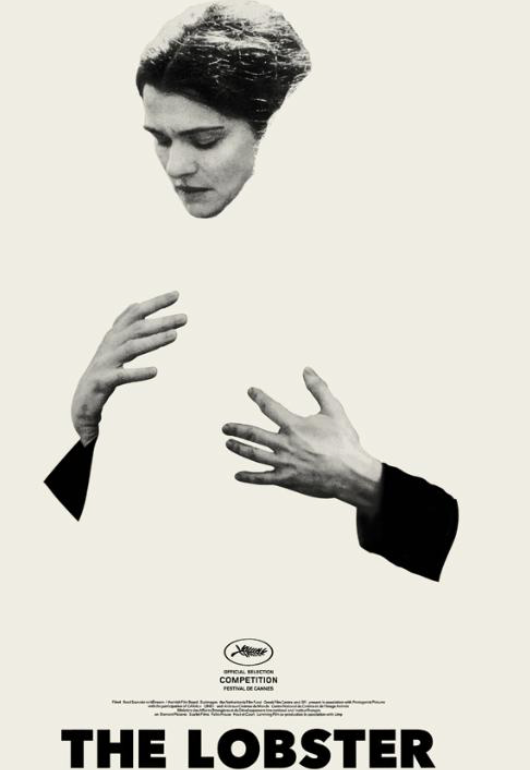 “The Lobster,” Yorgos Lanthimos’s first English-language feature, is a typically absurdist effort for the Greek director. About an alternative world in which single people are transformed into animals, it stars Colin Farrell in his hangdog (not feral) mode as David, a recently dumped schlub who has forty-five days to find a mate before being subjected to a zoological transformation. Bleary, bespectacled, and brandishing the leash of the German Shepherd formerly known as his brother, his prospects seem slim even among these sad-sack singletons named for their most prominent deficiency. There’s “Lisping Man” (John C. Reilly), “Limping Man” (Ben Whishaw), and “Heartless Woman” (Angeliki Papoulia), who proves such an unfortunate match for David that he joins the Loners roving the woods in hunted, celibate packs. But he finds their world equally rigid. When he’s drawn to fellow near-sighted loner Rachel Weisz (in this film, attraction is borne of compatible deficits, which isn’t that far from the truth), the two run into dangerous consequences given the Loner Leader’s violent opposition to sex and romance.
  One of my favorite freelance gigs is giving talks to local cinema clubs. The groups mostly are comprised of people over 60, which is my preferred demographic of human beings. As Louis CK once said, “Even the dumbest seventy-year-old is going to have seen more than the smartest twenty-year-old.” The following is a lecture I gave to a Long Island club about “The Meddler,” which we all enjoyed. Some in the audience were all too acquainted with the loneliness of widowhood and retirement, and shared beautiful insights when I finished talking. More than one person made me cry. Sometimes talking about movies is even better than seeing them, which is why I am grateful for my work even when suffering an indignity like “Captain America.”