
Archive | Film Matters
‘The Americans’ and Cold War Cinema
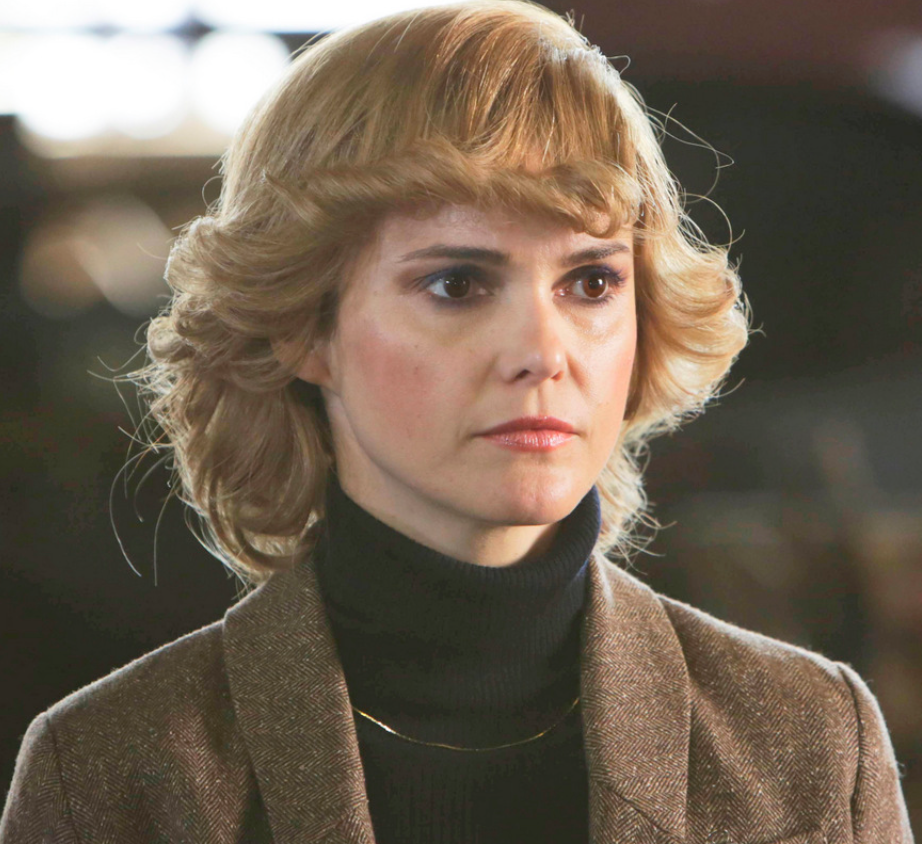 Though criminally under-watched, “The Americans,” about a pair of KGB spies (Keri Russell and Matthew Rhys) living as U.S. travel agents Elizabeth and Philip Jennings in Reagan-era Washington D.C., is one of television’s most brilliantly absorbing shows. Without revealing any details, its season finale was such a cliff-hanger that it is hard to believe we have to wait until next year for another episode. The best cure for our separation anxiety? Education. This FX series references so many 1980s geopolitical issues that it’s hard to keep up, especially when we’re distracted by Russell and Rhys’s spectacular array of wigs. So why not transform this hiatus into a Cold War immersion camp?
Reds (1981)
At roughly three and a half hours, this Warren Beatty-directed epic about communism in World War I was the last studio film to require an intermission. Starring Beatty, Diane Keaton, and Jack Nicholson as “red-shirt” American writers bonded by romantic and ideological ardor, it dances between Russia and the United States with an elephantine grace and an appropriately scarlet-hued cinematography. As glamorous as it is long-winded, this is the ultimate Hollywood primer in the roots of the two countries’ long-simmering antipathy. Continue Reading →
A Film of One’s Own: Spinsters in Cinema
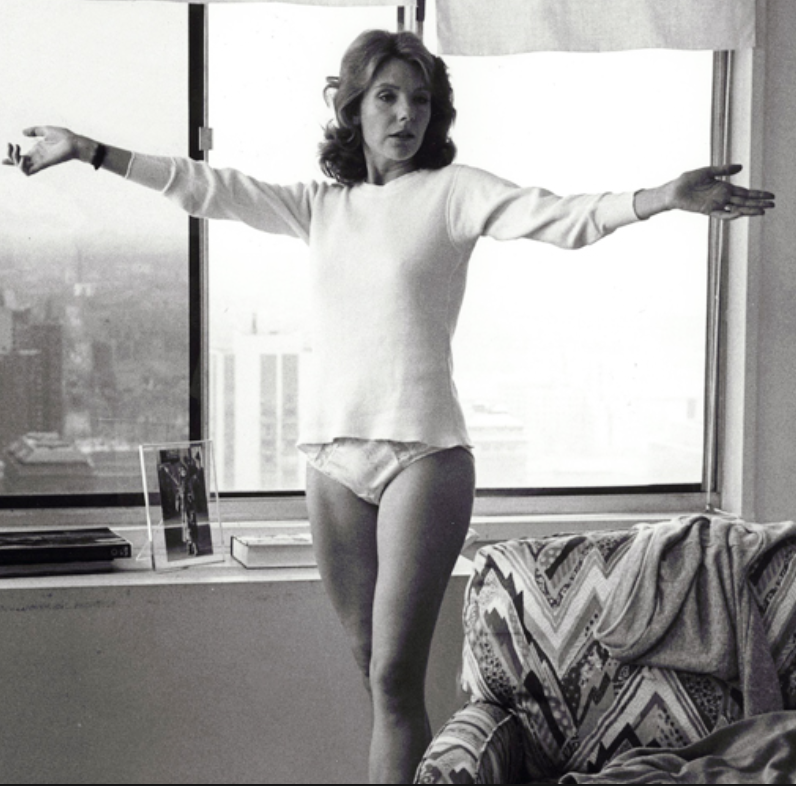 In Kate Bolick’s wonderful new book Spinster, she meditates on the possibilities of an adult female life undefined by others. “The spinster wish was my private shorthand for the novel pleasures of being alone,” she writes. “Whether to be married or to be single is a false binary. The space in which I’ve always wanted to live… isn’t between those two poles but beyond it.” Her point–a vital one–is that here in the twenty-first century women should no longer be viewed through the lens of their attachment to others. (Remember that men remain “misters” their entire adult lives, regardless of their age or marital status.)
We need only to look at cinema to realize how far we are from a world in which, as Bolick puts it, a woman is “free to consider the long scope of her life as her distinct self.” Put simply, women in films are never contentedly unattached. They may be single– but tragically or darkly comically so, as if they’re suffering from a condition that requires treatment. And make no mistake: that treatment is almost always a relationship. Hollywood is built upon the twin tenets of big guns and big love, and it’s generally uncomfortable with ambiguity, especially when it comes to single ladies. Happy endings–the glamorous finality of “Jack shall have his Jill”–are what the movie doctor ordered. Unattached women are either Bridget Jones types—not-so-hot messes who must be rescued by modern Mr. Darcys—or dangerously untamed women who must die, as Glenn Close does in “Fatal Attraction” and Geena Davis and Susan Sarandon do in “Thelma and Louise.” Far, far less common are films that conclude with women who are joyously, consciously unattached–not as a last-ditch solution to a toxic romance (“Heathers”) or a love triangle (“St Elmo’s Fire,” “Broadcast News”) but as an active choice to live independently. Continue Reading →