
Archive | Film Matters

Brooklyn’s Finest: Old-School BK on Film

Even before Brooklyn became the nation’s hottest borough, it figured prominently in cinema. Its image has changed drastically over the years, though–from a working class, matter-of-factly multicultural bastion to the hipster playground that’s mocked and celebrated today. Not to malign triple-shot almond milk lattes and bearded men in skinny jeans, but for those longing for old-school BK (and regular coffee!) these movies are a good place to start.

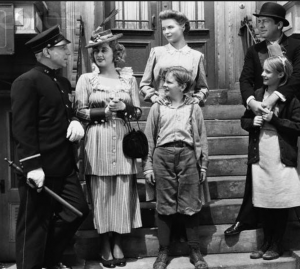
A Tree Grows In Brooklyn (1943)
Elia Kazan’s first film is not his finest–it took a few years before he shed that studio system staginess–but it is an affecting adaptation of Betty Smith’s beloved novel set in 1900s Williamsburg, Brooklyn. A theater director initially, Kazan excelled at working with actors; under his tutelage, Peggy Ann Garner, whose real-life father was fighting in World War II, was heartbreaking as Francie, a scholarly girl with an alcoholic dad, played equally movingly by James Dunn, the Hollywood veteran derailed by his own love affair with the bottle. (He won an Academy Award for this performance.) A beautifully blue valentine to early twentieth-century tenement life. Continue Reading →

‘Welcome to Me’: Kristen’s Two Wiigs

I’m not sure if “Welcome to Me” is one of the best films of the year. It’s definitely the weirdest. I didn’t even know American cinema could get this weird anymore–quirky, yes, but in that packaged way that extremely pretty people will claim that they’re nerds. These days, true on-screen weirdness seems reserved for those 15-minutes-of-fame YouTube yahoos, except when it comes to this misfit indie, which works as a queasily sympathetic, Crayola-colored art installation about the fine line between TV positivity and mental illness.

To describe this film is also to describe the myriad ways it could go wrong. Kristen Wiig stars as Alice Kleig, an unemployed, divorced California woman with borderline personality disorder who goes off her meds. Decked out in rainbow sunglasses, polyester pastel dresses, fanny packs, tiny socks, Keds, and parasols, Alice is the poster child for Hollywood’s take on the mentally ill (recall Mary Stuart Masterson in “Benny and Joon”) and she’s prone to unfiltered full-frontal honesty–I’ve been using masturbation as a sedative since 1991–delivered in a rapid-fire monotone. She’s got a decent set-up, with hobbies–“low-carboydrant” cooking, swan figurines, and reciting along with old VHS tapes of Oprah’s broadcasts –and people who care about her, including a therapist (Tim Robbins, whose condescending drawl is finally appropriate), a best friend (the ever-simpatico Linda Cardellini), and a gay ex husband (Alan Tudyk) with whom she’s still close. (I knew he was gay from the way he fucked me, she blithely informs his “male lover.”) But her life utterly changes when she wins $86 million in a state lottery and finances a talk show called, you guessed it, “Welcome to Me.” Continue Reading →

‘Far From the Madding Crowd,’ Close to Perfect

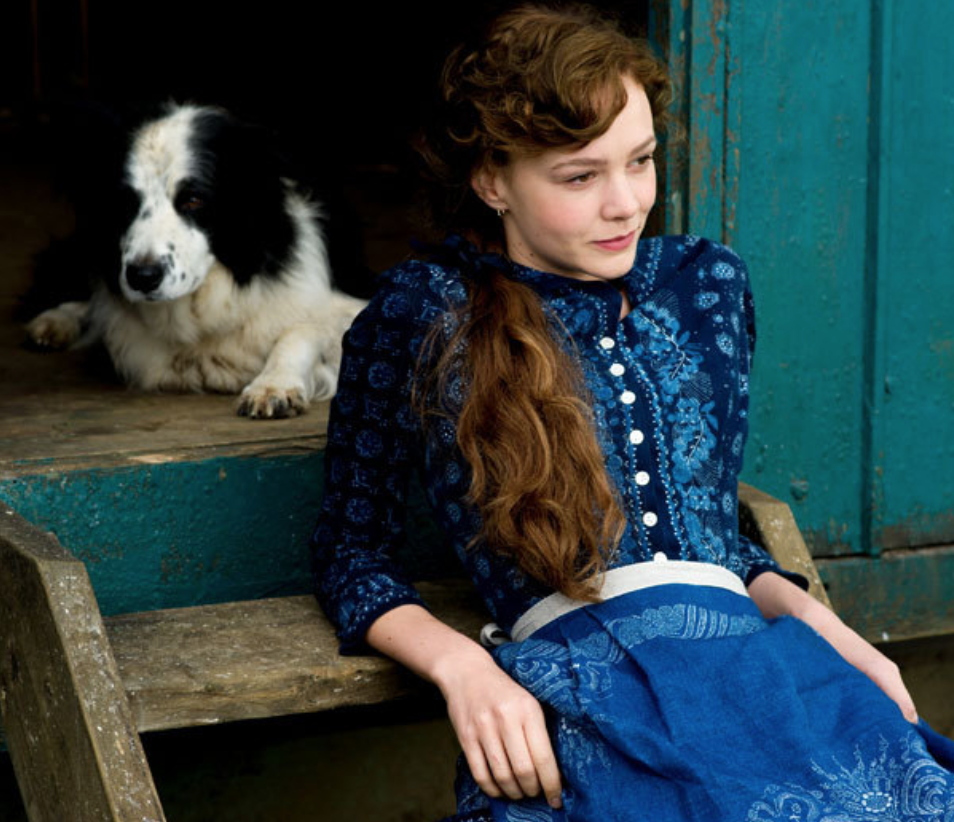
Given the number of period dramas churned out every year, it’s surprising how few are any good. Many are dull as dirt; many are bodice rippers with delusions of grandeur; and many take so many anachronistic liberties that you wonder why the filmmakers bothered at all. A new adaptation of Thomas Hardy’s Victorian novel Far From the Madding Crowd seems a dismal prospect, then. Why try to top the deliciously hamstrung magic of the 1967 Julie Christie version? And how can modern Hollywood capture the glorious complexity of Bathsheba Everdeen, a 19th century literary heroine so legendarily independent that Suzanne Collins named the protagonist of The Hunger Games after her? (Granted, that’s not a selling point for everyone.)

I should have known director Thomas Vinterberg wouldn’t attach himself to anything trite. Originally known as one of the founders of Dogme 95, the avant-garde Danish film movement launched to eradicate big-studio pretensions, the director’s most acclaimed work from that era is “The Celebration”–a harrowing, deeply affecting portrait of a dysfunctional, well-to-do family. More recently he directed “The Hunt,” which boasts unusually rich visual and narrative detail as well as a preoccupation with the same themes that consume Hardy’s work: class politics, insular communities, and the grim unavoidability of fate. For a classic love story, “Far From the Madding Crowd” is awash in harsh realities only partly offset by the natural buoyancy of its protagonist. Continue Reading →

"All, everything I understand, I understand only because I love."
― Leo Tolstoy