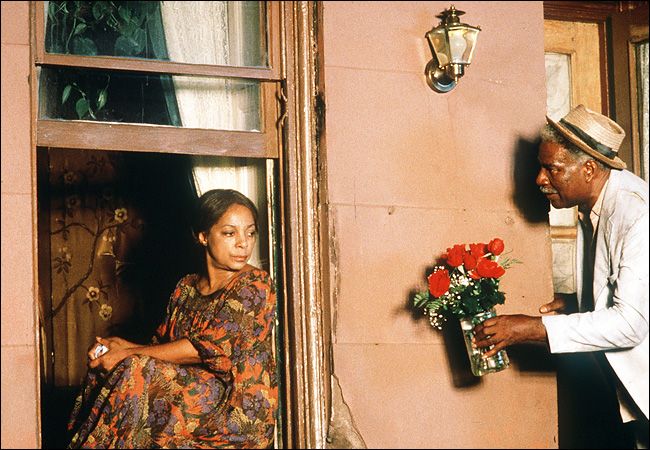
The Top 10 Literary Adaptations of 2014
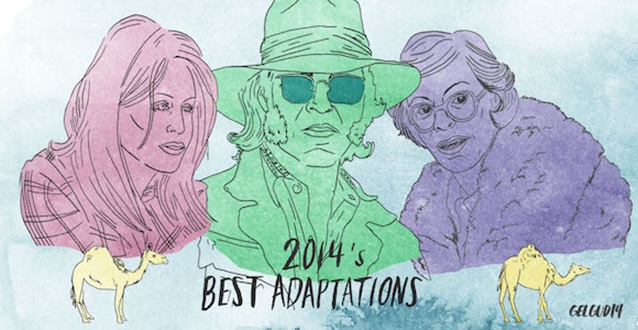
In February of this year I began covering one of my all-time favorite topics–the intersection of books and movies–for the estimable site Word and Film. It’s a job I adore, especially because it allows me to focus on literary adaptations. Here are the top 10 of 2014.
10) Tie: “Wild” and “The Imitation Game”
 The adaptations of Cheryl Strayed’s memoir about hiking the Pacific Crest Trail and Andrew Hodge’s biography of Alan Turing, the mathematical genius who helped end World War II, are about as divergent as two lone-wolf epics can be – except that they’re both so satisfying to watch. If the films are also just a wee bit slick, they feature such beautifully complex performances (from Reese Witherspoon and Benedict Cumberbatch, respectively) that we scarcely mind. What would this season be without a prestige biopic or two? Continue Reading →
No Condition for Love
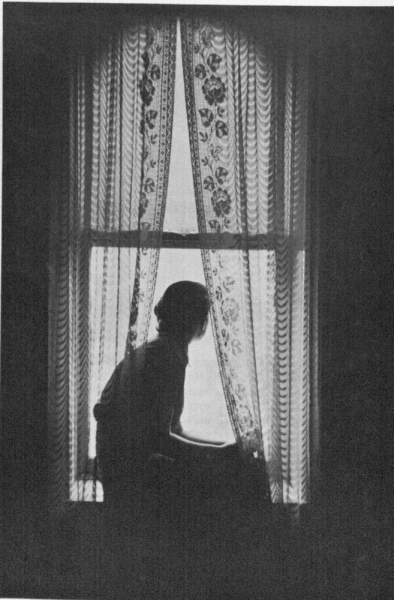 From a 1984 interview with author Edna O’Brien:
Interviewer: Some think your preoccupation with romance verges at times on the sentimental. You quote Aragon in answer: “Love is your last chance, there is really nothing else to keep you there.”
O’Brien: But my work is concerned with loss as much as with love. Loss is every child’s theme and writers, however mature and wise and eminent, are children at heart. I might, if the gods are good to me, find that my understanding of love has become richer and stronger than my dread of loss.
Interviewer: Is that why, in nearly all your novels, women are longing to establish a simple, loving, harmonious relationship with men, but are unable to do so?
O’Brien: My experience was pretty extreme, so that it is hard for me to imagine harmony, or even affinity, between men and women. I would need to be reborn.
The Church of Forgiveness