Spring, and the Art of Losing
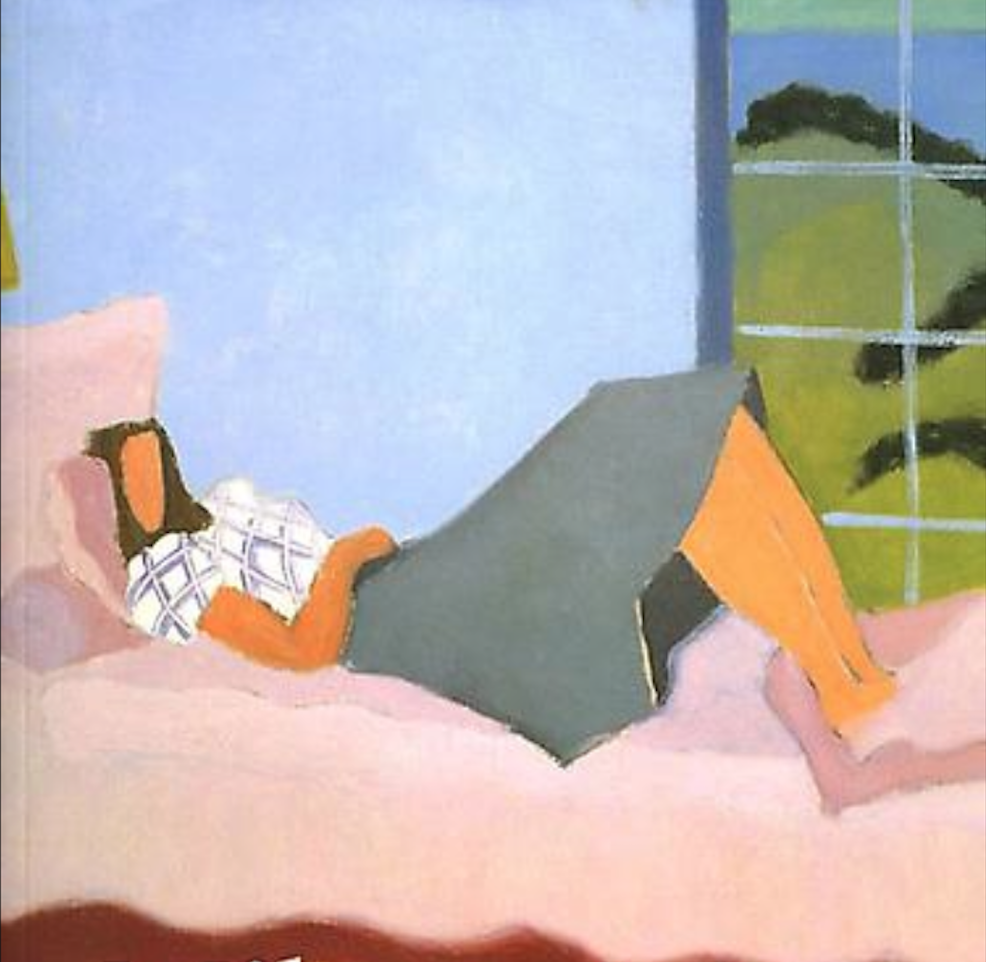 The end of winter may be the most melancholy time of year. It’s not melancholy like November, when the last of summer sweet disappears into early darkness. It’s not melancholy like February, when we lose hope that anything will ever be easy again. March’s melancholy is a gentle sadness encircling early spring, when we bask in new light and warmth, and grasp at every precious ray of new sun; when we remember what (and who) is no longer here to share our joy. The losses are necessary, perhaps–the worn-out do not tolerate beginnings–but harsh, like the bright after a long season of shadows.
It reminds me of that wonderful poem by Elizabeth Bishop:
One Art
The art of losing isn’t hard to master;
so many things seem filled with the intent
to be lost that their loss is no disaster.
Lose something every day. Accept the fluster
of lost door keys, the hour badly spent.
The art of losing isn’t hard to master.
Then practice losing farther, losing faster:
places, and names, and where it was you meant
to travel. None of these will bring disaster.
I lost my mother’s watch. And look! my last, or
next-to-last, of three loved houses went.
The art of losing isn’t hard to master.
I lost two cities, lovely ones. And, vaster,
some realms I owned, two rivers, a continent.
I miss them, but it wasn’t a disaster.
—Even losing you (the joking voice, a gesture
I love) I shan’t have lied. It’s evident
the art of losing’s not too hard to master
though it may look like (Write it!) like disaster.
A Double of Doubles

 In my latest essay for Word and Film, I focus on movie zeitgeists, in which a handful of films on the same topic come out at the same time. In particular I look at a recent double of “doubles”—Enemy (opening today), starring Two Jakes (Gyllenhaal), and The Double, starring a neurotic Jesse Eisenberg and a hustling Jesse Eisenberg. An excerpt:
Enemy, which opens this week, stars Jake Gyllenhaal as Adam, a hapless history teacher who feels threatened when he discovers Anthony, a small-time movie actor (also Gyllenhaal) who is his exact physical double. Directed by Denis Villeneuve, the film is based upon the Nobel Prize-winning author José Saramago’s Portuguese novel The Double, a cheerless affair that tackles subjects like self-illusion in what seems like one endless, stream-of-conscious paragraph. The film veers from the book in some key ways – it’s set in Toronto and boasts such surreal touches as giant spiders and an “Eyes Wide Shut”-style sex club – but is no less grim. Gyllenhaal’s acting strength typically stems from his remarkable physicality but his “two Jakes,” perhaps taking their cues from the film’s gray and brown palette, are so lifeless that not even their gorgeous blonde mates (more mirrors!) can rouse them. Some of the problem lies with the normally deft Villeneuve’s one-note direction, which eschews any soulfulness – as though it would compromise his grinding theme of the elusiveness of identity in an empty world.
Here’s the rest, Sirenaders!