
Archive | Essays

Together, Alone: Movies on Message

The Human Rights Watch Film Festival, that cinematic arm of the New York-based research and advocacy program, has always boasted selections that are worth watching purely for aesthetic reasons. It’s impossible to do so, though. Each of these films examines the limits of human behavior with a radical compassion that confronts the failings of the world that we all share nowadays, regardless of whether we care to admit it.

It is a truism of modern life that the more accessible everything is, the more isolated we each become. Technology affords us the ability to visit with each other, order our supplies and entertainment, and do our work without ever venturing outside our homes. We are more globalized than ever before in the history of humankind; we can view lands, people, and events that are 6,000 miles away as if they’re in our backyard. Yet there’s no replacing firsthand experience. I learned that during Hurricane Sandy. While we New Yorkers were stripped of heat, running water, and electricity, friends as close by as Boston and Pennsylvania prattled on to us about cute puppies and bad hair days. To them, our hardship was not real. I didn’t blame them. Although we enjoyed the illusion of intimacy afforded by social media and smartphone technology (at least when we New Yorkers managed to charge our phones), it was nonetheless difficult for outsiders to grasp our dire straits, even when they were only a couple hundred miles away. Continue Reading →
The ‘Kids’ Were Alright

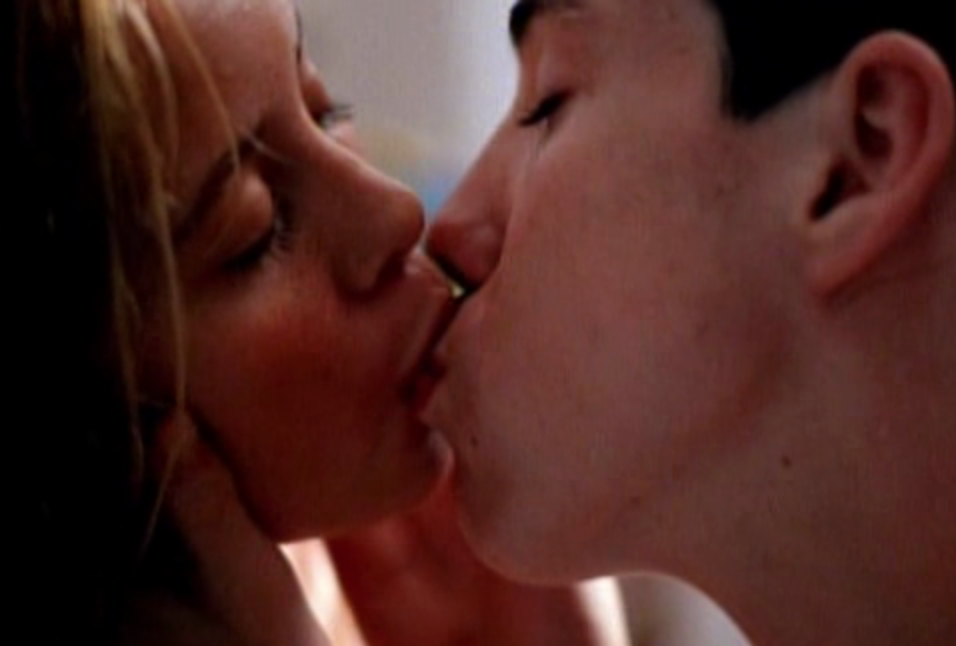
It begins with a pair of half-clad teenagers making out, which is a conventional enough opening for a coming-of-age film. But these two look awkward rather than polished – the girl is barely pubescent, the guy is drowning in his big-boy boxers – and they’re going at it like guppies swallowing each other or cannibals mawing their last meal. The shot is not Hollywood sexy; it’s nasty, nothing you’d see in the too-cool-for-school movies about adolescents today. Welcome to “Kids,” the landmark film about New York City teenagers, which is celebrating its twentieth anniversary this spring. (Yes, we’re that old.)

Sprawling and unrepentant, “Kids” isn’t so much a study; it’s more a ninety-minute panoramic photograph, which is appropriate since it’s the first (and best) film by photographer Larry Clark. It also boasts the first screenplay by Harmony Korine, who went on to direct such jaw-slackers as “Gummo” (1997) and the neon-reactionary, pseudo-feminist “Spring Breakers” (2012). Between Korine and Clark, who has cited lower Manhattan’s male skateboarders as his chief inspiration, this is hardly an anthem of female liberation, though it adjacently highlights the need for young women’s rights, and debuts Rosario Dawson and Chloë Sevigny, both of whom then prevailed as It Girls of Manhattan’s Lower East Side. (The latter girl was still technically a “Metro North queen” who lived in her parents’ tony Connecticut home). Continue Reading →

‘While We’re Young’ and Other Adventures in Noah Baumbach’s Narcissism

Noah Baumbach is often likened to a Generation X Woody Allen, and the comparison is apt. It’s not just that both men are Brooklyn-bred Jewish writer-directors who wryly address failure, love, art, and New York life. It’s that their films, though heralded as paragons of originality and depth, are highly derivative – and most of us love them anyway. Like Allen, Baumbach may suffer from what Yale scholar Harold Bloom refers to as “the anxiety of influence” but he also benefits from an ecstasy of influence – an advanced, amber-hued nostalgia for the past and present that is always slipping through our fingers.

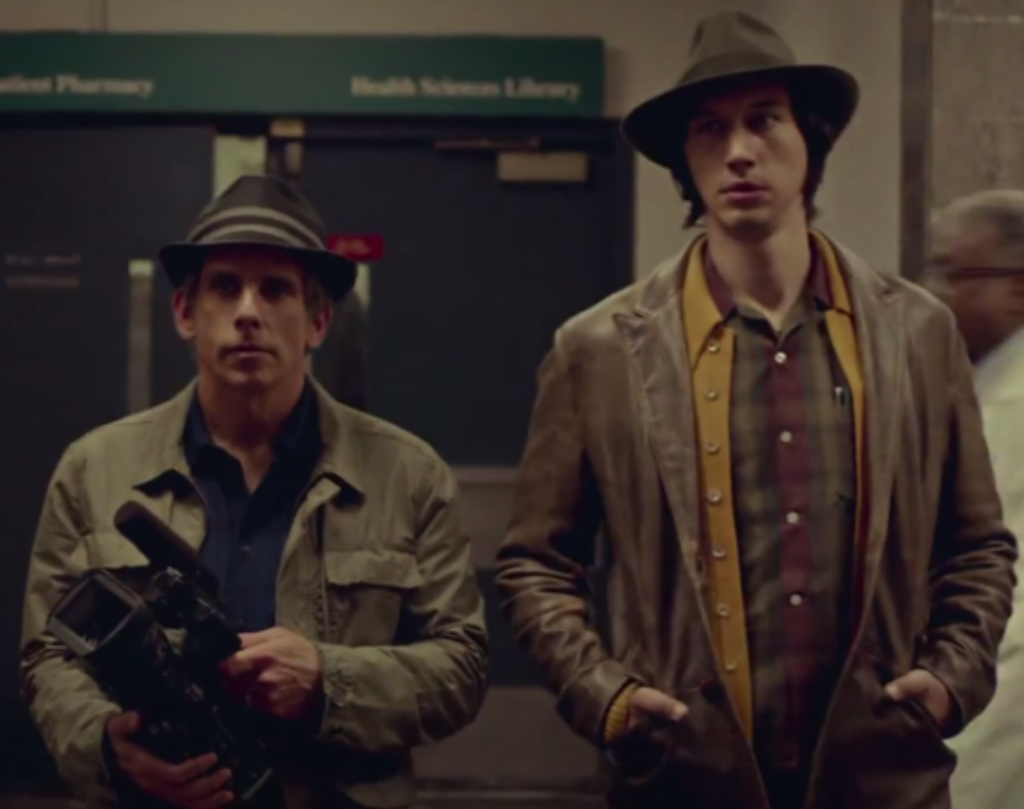
Never has this penchant for nostalgia been more baldly addressed than in Baumbach’s latest, “While We’re Young.” It is about the friendship between a forty-something married couple (Ben Stiller and Naomi Watts) who have sort of become what they wanted to be when they grew up (he’s a flailing documentarian and she’s the producer for her mega-successful documentarian father) and a twenty-something couple (Adam Driver and Amanda Seyfried) who disguise their enormous ambitions in a kaleidoscope of lo-fi hobbies, flea-market finds, New Age neologisms, and cultural appropriations that border on kleptomania. (She’s an almond-milk ice cream maker; he’s an aspiring documentarian who doesn’t distinguish between fact and fiction.) The film is saddled with an atonal third act that betrays the old-soul, new-millennium truths about disappointment and intimacy it seems intent on delivering. Before then, it is wonderful: loose-limbed, liquid, and glittering with the falsehood of eternal youth. Most tellingly, it’s aglow with references to other directors – micro-indie king Joe Swanberg, Paul Mazursky’s mid-century mise-en-scènes, Jonathan Demme’s gleefully teeming urban tableaus, and, of course, the glib-versus-glum morality play of Allen’s “Crimes and Misdemeanors,” itself partly about New York documentarians. Continue Reading →

"All, everything I understand, I understand only because I love."
― Leo Tolstoy