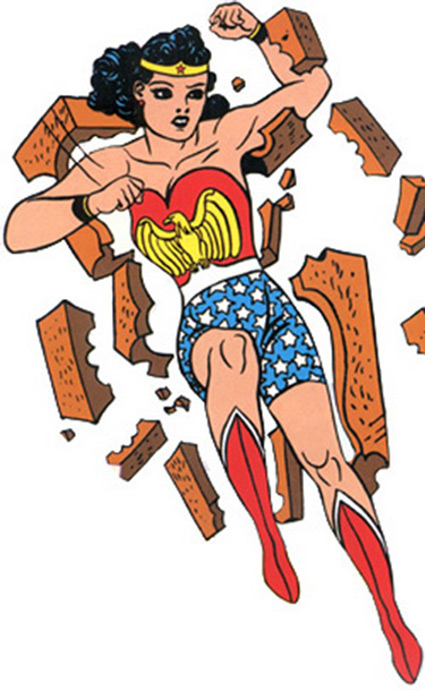
 I came home today so cross, so “bullshit,” as my mother used to say. Lately my tolerance for mansplaining and manspreading and general man-boorishness is at an all-time low. Yet many (mostly white, mostly straight) men around me carry on as they always have, willfully practicing the obliviousness that is yet another privilege of the culturally dominant. Which is to say: assume they are authorities to whom the rest of us will defer. Now that I am a grown woman who’s been on her own for more than two decades, and now that we are 15 years into a new millennium that is so post-industrial that physical might should be entirely besides the point, there’s no legitimate reason for any sane male to behave this way with me and yet… well, you know. So many guys (even trans guys, even guys I like) still assume deference is part of the package when you walk this world as a woman. I don’t care why they make this assumption; I’m just over it. We female persons can practice as much magic, read as many self-help books, attend as many therapy sessions as we like. But male entitlement will not go away so long as we accept it as our problem to solve. We must trample over such inequities, and back up other women who do the same. Make it the problem of the perpetrators, and it will finally fade away. This is the only way true social change has ever been effected.
Anyway, without getting into the specific origin of my pique, I’ll just say that, by the time I returned to my stoop, I wanted to punch somebody, holler at the heavens, break vases and glasses and hearts. Do something really, really ill-advised. So I cleaned my house. Continue Reading →